Understanding the Role of Polymers in Everyday Products
Understanding the Role of Polymers in Everyday Products
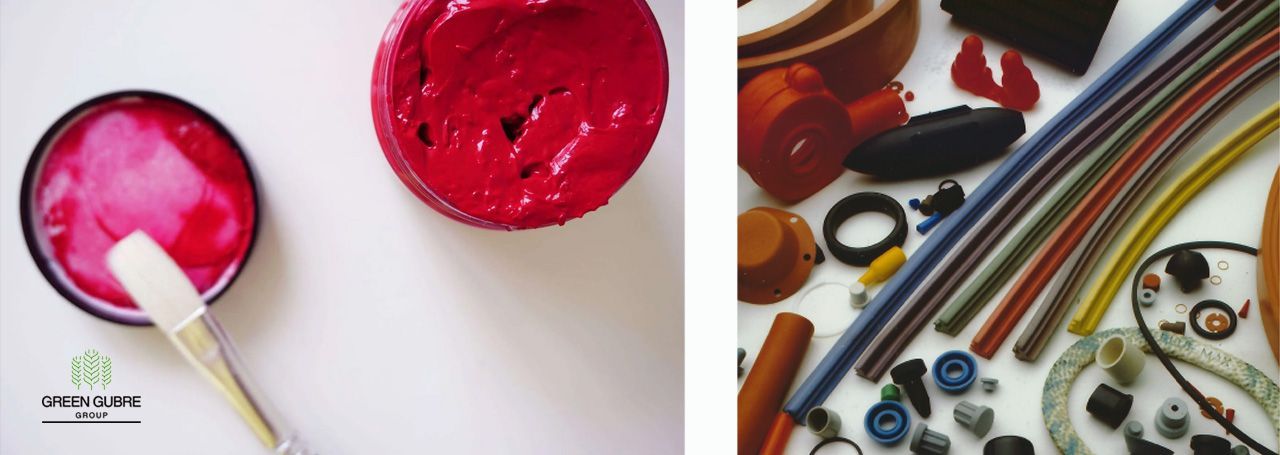
Polymers are an integral part of everyday life, found in everything from packaging to automotive components. These versatile materials have transformed industries, offering lightweight, durable, and flexible solutions for manufacturing. Whether it’s HDPE, LDPE, or PP, polymers play a crucial role in modern manufacturing processes. In this blog, we will explore what polymers are, their uses in various industries, and why they are critical for sustainable product development.
1. What Are Polymers?
Polymers are long chains of molecules that make up a wide range of synthetic and natural materials. Their unique properties, such as durability, flexibility, and heat resistance, make them ideal for manufacturing everything from plastics to textiles. Common types of polymers include High-Density Polyethylene (HDPE), Low-Density Polyethylene (LDPE), and Polypropylene (PP).
2. Applications of Polymers in Manufacturing
Polymers are essential in a variety of industries due to their versatility:
- Packaging Industry: Polymers like HDPE and LDPE are widely used in the packaging industry to create plastic bottles, bags, and containers.
- These materials are lightweight yet strong, making them ideal for protecting products during transportation.
- Construction: In the construction industry, polymers like PP are used to create pipes, insulation materials, and other building components due to their durability and resistance to chemicals.
- Automotive: Polymers are also used in the automotive industry to manufacture parts that are both lightweight and durable, helping to improve fuel efficiency and reduce vehicle weight.
3. Sustainability in Polymer Production
With growing concerns about environmental sustainability, the polymer industry is making strides in developing eco-friendly alternatives. Recycled polymers and biodegradable plastics are becoming more common, helping to reduce the environmental footprint of manufacturing processes. Moreover, manufacturers are investing in innovative technologies to make polymer production more energy-efficient and less resource-intensive.
Polymers are indispensable in the modern world, playing a critical role in manufacturing products that we use every day. Whether in packaging, construction, or automotive industries, polymers offer innovative solutions that combine strength, durability, and sustainability. As the demand for eco-friendly products grows, the polymer industry continues to evolve, pushing the boundaries of innovation.