Nano-Fertilizers – Precision Nutrition for Maximum Efficiency and Sustainability
Nano-Fertilizers – Precision Nutrition for Maximum Efficiency and Sustainability
Introduction: The Future of Crop Nutrition Is Smaller Than You Think
Modern agriculture faces a major challenge: increasing yields while reducing environmental impact. Conventional fertilizers often exhibit low nutrient use efficiency (NUE), leading to significant losses through leaching, volatilization, and fixation.
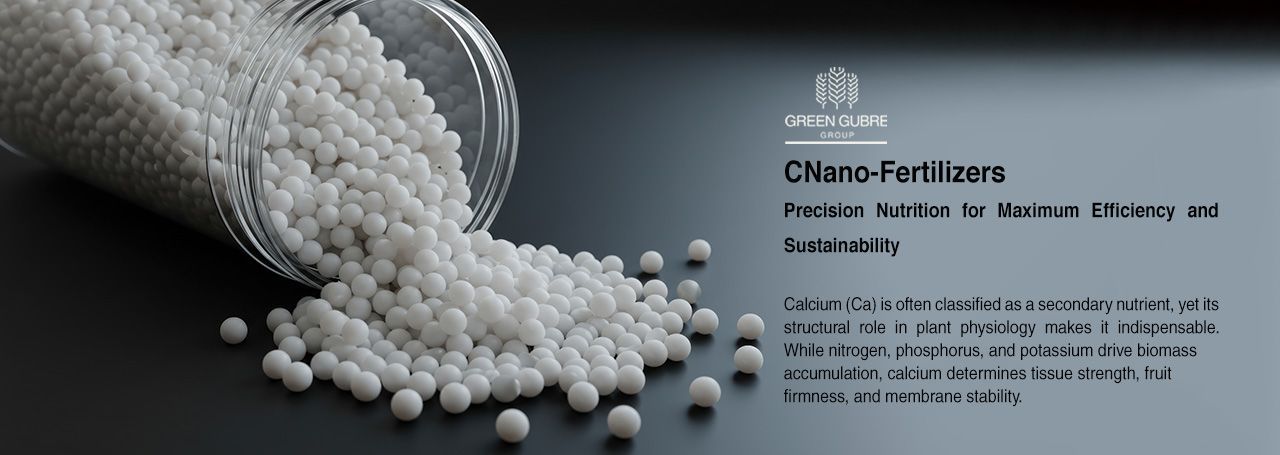
Nano-fertilizers represent a new frontier in crop nutrition. By delivering nutrients at the nanoscale (1–100 nanometers), these advanced formulations enhance absorption, reduce waste, and improve plant response—using smaller quantities with greater precision.
In this blog, we explore what nano-fertilizers are, how they work, their benefits and limitations, and their role in sustainable agriculture.
What Are Nano-Fertilizers?
Nano-fertilizers are nutrient formulations engineered at the nanoscale to improve delivery and uptake efficiency.
They may include:
- Nano-encapsulated nutrients
- Nano-chelated micronutrients
- Nano-emulsions
- Polymer-coated nano-particles
- Slow-release nano-carriers
At the nanoscale, particles have a higher surface area-to-volume ratio, increasing reactivity and plant absorption.
According to FAO and global sustainability reports, nanotechnology is emerging as a key tool in improving fertilizer use efficiency and reducing environmental losses.
How Nano-Fertilizers Work
Nano-fertilizers improve nutrient performance through:
- Enhanced Leaf Penetration: Smaller particles pass more easily through stomata and cuticles.
- Controlled Release: Encapsulation allows gradual nutrient availability.
- Reduced Leaching: Nutrients bind more efficiently to plant roots.
- Targeted Delivery: Improved interaction with root membranes.
- Improved Nutrient Use Efficiency (NUE): More nutrients are absorbed per unit applied.
Scientific research shows nano-fertilizers can increase nutrient uptake efficiency by 20–30% compared to conventional fertilizers in some cropping systems.
Types of Nano-Fertilizers
| Type | Nutrient | Application | Benefit |
|---|---|---|---|
| Nano Nitrogen | N | Foliar | Reduced volatilization |
| Nano Zinc | Zn | Foliar | Improved micronutrient uptake |
| Nano Iron | Fe | Foliar/Fertigation | Faster chlorosis correction |
| Nano Phosphorus | P | Soil | Reduced fixation |
| Nano NPK Blends | Multi | Foliar | Balanced rapid nutrition |
Nano-fertilizers are commonly used in:
- High-value horticulture
- Greenhouse production
- Precision farming systems
- Climate-stressed regions
Benefits of Nano-Fertilizers
- Higher Efficiency: Lower application rates are needed.
- Reduced Environmental Impact: Less nutrient runoff and groundwater contamination.
- Improved Stress Tolerance: Better nutrient availability during drought or salinity stress.
- Enhanced Crop Quality: Improved chlorophyll content and protein synthesis.
- Cost Optimization: Lower long-term fertilizer requirement.
The International Fertilizer Association highlights advanced nutrient technologies as key components of climate-smart agriculture.
Limitations and Considerations
While promising, nano-fertilizers require:
- Proper dosage management
- Regulatory compliance
- Field validation trials
- Compatibility with existing nutrient programs
Long-term soil impact studies are still ongoing.
Best Practices for Nano-Fertilizer Use
- Integrate with 4R Nutrient Stewardship principles.
- Use as a supplement—not a full replacement—of base fertilizers.
- Apply during early growth stages for maximum response.
- Conduct small-scale trials before large adoption.
- Monitor tissue analysis to evaluate effectiveness.
Green Gubre Group’s Advanced Nutrition Approach
While conventional fertilizers remain foundational, Green Gubre Group actively monitors advanced nutrient technologies, including nano-based formulations, to enhance precision agriculture.
Our innovation portfolio includes:
- High-efficiency micronutrient blends
- Low-salt, chloride-free fertigation products
- Controlled-release fertilizers
- Emerging nano-compatible nutrient solutions
All products are supported by:
- COA & MSDS documentation
- Precision dosage recommendations
- Agronomic technical consultation
Conclusion: Small Particles, Big Agricultural Impact
Nano-fertilizers represent the next step in fertilizer evolution. By improving nutrient efficiency and reducing losses, they align with global sustainability goals while supporting high-yield production systems.
Although still evolving, nano-based nutrition technologies are shaping the future of precision agriculture.
At
Green Gubre Group, we combine traditional agronomic wisdom with innovative technologies to deliver smarter, more efficient crop nutrition solutions.