Zinc Fertilizers – Small Micronutrient, Massive Impact on Yield and Immunity
Zinc Fertilizers – Small Micronutrient, Massive Impact on Yield and Immunity

Introduction: Zinc – The Micronutrient That Fuels Growth
Zinc (Zn) is a key enzyme activator and growth regulator in plants, playing an outsized role in early development, leaf formation, and defense mechanisms. Though required in small amounts, zinc deficiency can severely impair photosynthesis, hormone balance, and root development—especially in high-pH, calcareous, or phosphorus-rich soils where availability drops dramatically.
In this blog, we explore zinc’s physiological roles, common deficiency signs, effective fertilizer forms, and how innovative zinc management boosts
yield, grain quality, and plant immunity across cereals, vegetables, and fruit crops.
Why Zinc Is Essential for Crops
Zinc acts as a catalyst in over 300 enzyme systems, controlling vital processes including:
- Auxin metabolism – drives shoot elongation and leaf expansion
- Protein synthesis – aids in chlorophyll production and leaf greening
- Pollen viability and seed formation – crucial for reproductive success
- Stress resistance – supports antioxidant enzyme function (e.g., SOD)
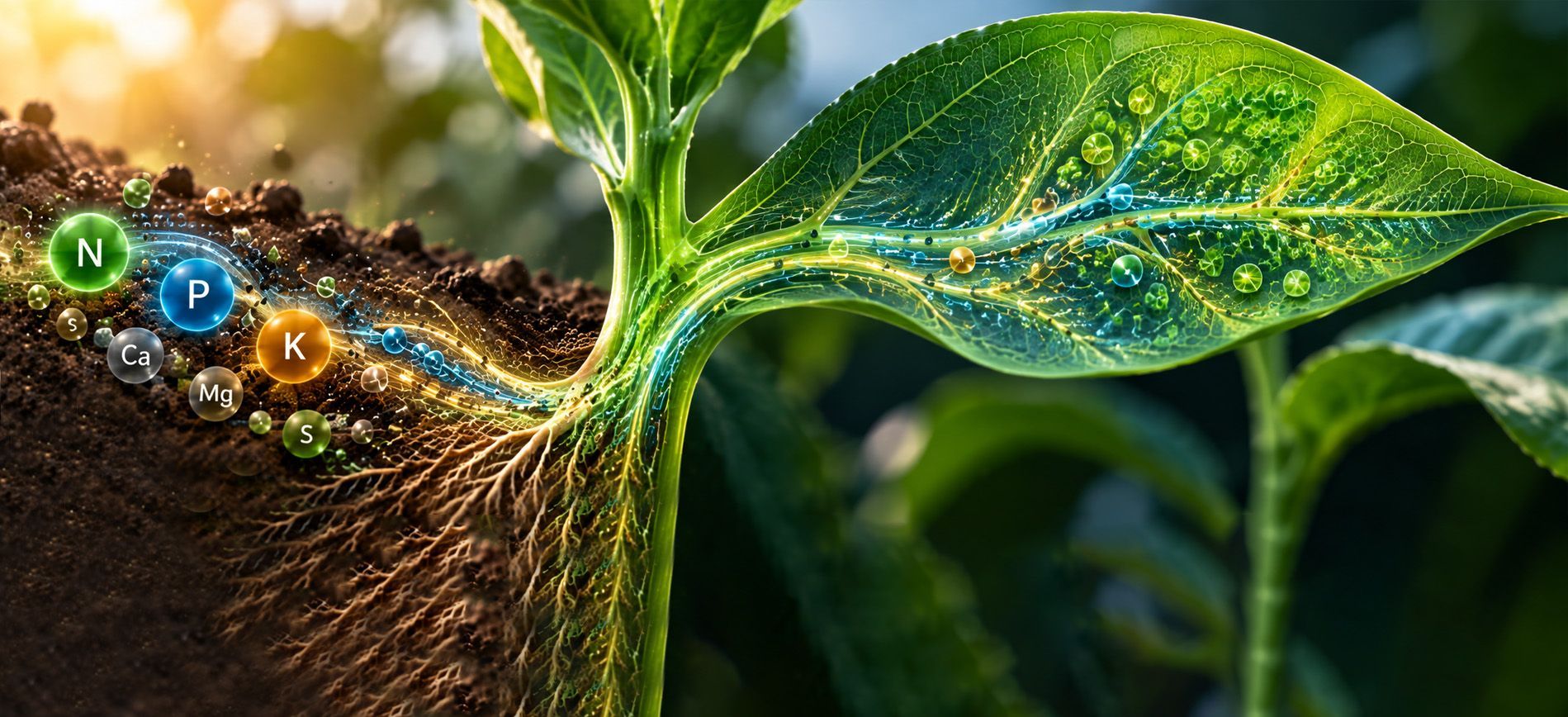
- Nitrogen and phosphorus efficiency – enhances uptake and metabolism
Zinc is also vital in cold tolerance and drought resilience, making it a key nutrient in climate-smart farming.
Zinc Deficiency Symptoms by Crop
| Crop | Symptoms |
|---|---|
| Maize | Interveinal yellowing (striping) on upper leaves |
| Rice | Bronzing, stunted seedlings, delayed tillering |
| Wheat | Short internodes, poor grain filling |
| Citrus | Little leaf, rosetting, small fruit |
| Grapes | Poor bud burst, distorted leaf shapes |
| Beans | Pale leaves, leaf-tip necrosis |
Zinc is immobile in the plant, so symptoms appear in young tissues. It is also often deficient in alkaline, sandy, or high-phosphorus soils.
Familiar Zinc Fertilizer Sources and Usage
| Fertilizer Type | Zinc (%) | Application Method | Notes |
|---|---|---|---|
| Zinc Sulfate (ZnSO₄·H₂O) | ~33% | Soil, foliar, fertigation | Most widely used; cost-effective |
| Chelated Zn (EDTA/Zn-EDTA) | ~12% | Foliar, fertigation | Stable in alkaline soils |
| Zinc Oxide (ZnO) | ~78% | Soil | Slow-release, not water-soluble |
| Liquid Zn Formulations | Varies | Foliar, drip irrigation | Rapid correction in the early stages |
| Granulated Zn Blends | Varies | Base fertilizer mix | For pre-planting uniformity |
Tip: Apply zinc sulfate with organic matter or phosphates to reduce soil fixation.
Best Practices for Zinc Fertilization
1. Soil Application
- Apply 10–25 kg/ha of zinc sulfate before sowing.
- Band placement near the seed improves uptake in cereals.
2. Foliar Spray
- Apply 0.5% zinc sulfate solution at the early growth stage.
- Combine with urea for better leaf absorption.
3. Fertigation
- Apply chelated zinc in low doses throughout the early vegetative phase.
- Ensure compatibility in tank mixes.
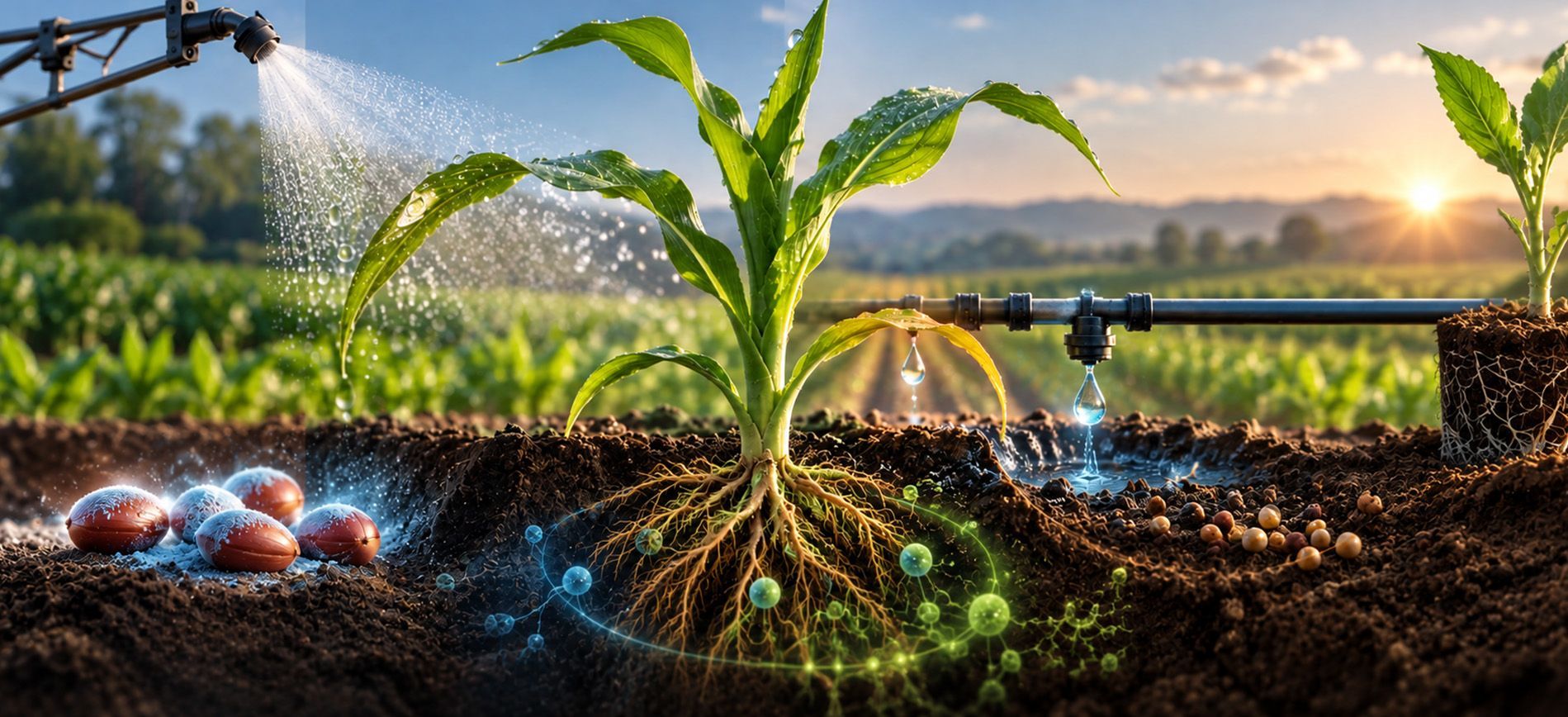
4. Seed Treatment
- Coat seeds with Zn sulfate or chelate for rapid seedling vigor
- Especially effective in maize and legumes
Zinc Efficiency Enhancers
- Humic acid: Enhances Zn chelation and uptake in calcareous soils
- Phosphorus balance: Avoid excess P that blocks Zn absorption
- Biofertilizers: Zinc-solubilizing bacteria improve availability
- Tissue testing: Monitor leaf Zn during critical stages like tillering and flowering
Green Gubre Group’s Zinc Fertilizer Line
To support optimal root development, disease resistance, and reproductive health, we offer a complete zinc range:
- GreenZinc Sulfate – 33% Zn for broadacre crops
- GreenZinc Chelate (EDTA) – Stable in alkaline conditions
- GreenZinc Foliar Plus – Liquid Zn with synergists for fast uptake
- Zinc–Micronutrient Blends – Tailored for maize, wheat, grapes, and rice
- Zinc Starter Mixes – For seed coating and early-stage boosting.
All products are:
- COA-certified
- Supplied with compatibility and dosage guides
- Backed by regional agronomic support
Conclusion: Don’t Let Hidden Deficiencies Rob Your Yield
Zinc deficiency often goes unnoticed—until it cuts into yield, delays maturity, and lowers grain quality. Whether you’re growing cereals, vegetables, or fruits, smart zinc supplementation ensures strong early growth, resilience, and better harvest results.
At
Green Gubre Group, we empower farmers with
zinc solutions built for modern, efficient, and responsive agriculture.