Liquid Micronutrient Fertilizers – Precision Feeding for Maximum Uptake
Liquid Micronutrient Fertilizers – Precision Feeding for Maximum Uptake
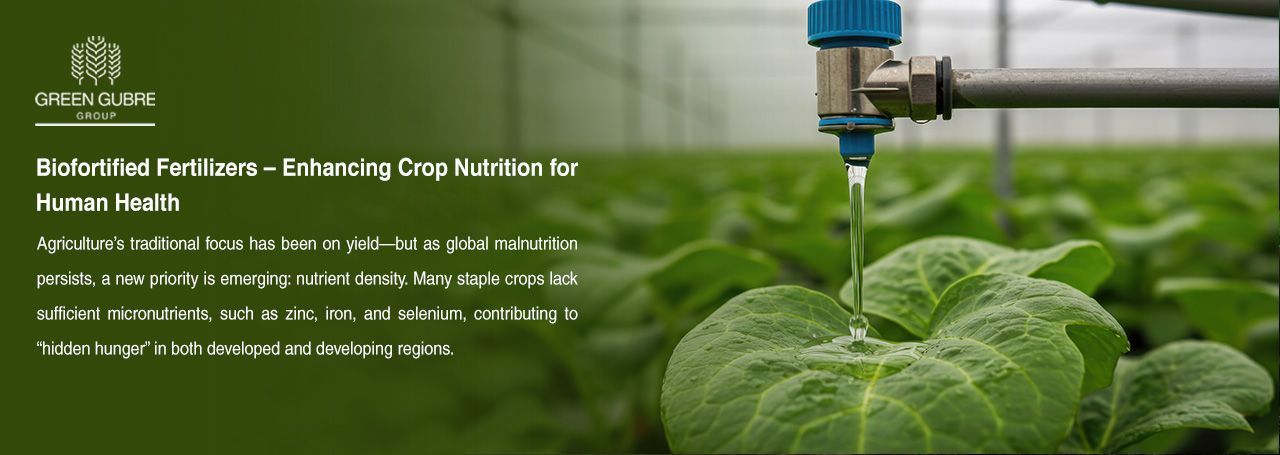
Introduction: The Micro Edge in Modern Crop Nutrition
Micronutrients—like zinc (Zn), boron (B), manganese (Mn), iron (Fe), copper (Cu), and molybdenum (Mo)—may be needed in small quantities, but their role in plant health is enormous. Deficiencies can cause stunted growth, poor flowering, and significant yield losses. However, these deficiencies often go unnoticed until they’ve already impacted the crop.
Liquid micronutrient fertilizers offer a fast, targeted, and highly efficient solution. Unlike granular forms, liquid micronutrients deliver nutrients in plant-available form directly to the root zone or leaves, ensuring immediate uptake and faster response. In this blog, we explore why liquid formulations are growing in popularity—and how to use them correctly.
Why Liquid Micronutrient Fertilizers Are Superior
Liquid formulations are increasingly preferred over solid forms for their precision and adaptability. Here’s why:
- Higher Absorption Rates: Chelated liquid micronutrients (e.g., EDTA, DTPA, EDDHA forms) are highly soluble and rapidly absorbed by plants.
- Versatility: Suitable for foliar sprays, fertigation, and even hydroponic systems.
- Fast Response Time: Plants respond within days, especially during critical growth phases.
- Custom Blending: Easy to mix with other liquid fertilizers or biostimulants.
🔗 ScienceDirect – Liquid Fertilizer Efficiency in Crop Production
Key Micronutrients Delivered in Liquid Form
| Micronutrient | Role in Plant Health | Liquid Form Used |
|---|---|---|
| Zinc (Zn) | Enzyme activation, growth hormones | Zinc EDTA, Zinc Sulfate |
| Iron (Fe) | Chlorophyll synthesis | DTPA/EDDHA chelates |
| Manganese (Mn) | Photosynthesis, disease resistance | Manganese EDTA |
| Boron (B) | Pollen germination, sugar transport | Soluble Boron Ethanolamine |
| Copper (Cu) | Enzyme systems, lignin formation | Copper EDTA |
| Molybdenum (Mo) | Nitrogen metabolism | Sodium Molybdate |
Each of these nutrients plays a key role in specific crops and growth stages. Their availability can mean the difference between average and exceptional yields.
When and How to Apply Liquid Micronutrients
The effectiveness of liquid micronutrients depends on correct timing and method of application:
Foliar Application
- Best for fast correction of visible deficiencies
- Apply during cooler parts of the day (early morning or late afternoon)
- Use with surfactants to improve leaf coverage.
- Ideal during flowering, fruit set, and rapid vegetative growth
Fertigation
- Apply through drip or sprinkler systems
- Ensures consistent nutrient delivery to the root zone
- Requires precise dosing to avoid over-concentration
Seed Treatment & Transplant Dips
- Enhances early root and shoot development
- Particularly useful in Zn, Mn, or B-deficient soils
Common Deficiency Symptoms You Can Fix with Liquids
| Crop | Micronutrient Deficiency | Visual Symptom |
|---|---|---|
| Corn | Zinc | White stripes on younger leaves |
| Citrus | Iron | Yellowing between veins (young leaves) |
| Grapes | Boron | Poor fruit set, hollow berries |
| Tomato | Manganese | Pale foliage, reduced photosynthesis |
| Wheat | Copper | Weak stems, poor grain filling |
Quick foliar or fertigation application of the right liquid micronutrient can reverse symptoms in 3–7 days.
Green Gubre Group’s Liquid Micronutrient Solutions
We offer a full range of chelated, water-soluble micronutrients tailored to modern agricultural systems:
- Micronutrient Mixes: Zn, Mn, Fe, Cu, B, Mo in balanced blends
- Chelated Formulations: EDTA, DTPA, and EDDHA-based for stability and solubility
- Crop-Specific Liquids: Custom formulations for horticulture, row crops, and export-grade production
- High-Purity Products: Free of heavy metals and low in chloride
Each product is supported with:
- COA and MSDS
- Tank-mix compatibility guides
- Application charts for fertigation or foliar use
Conclusion: Small Nutrients, Big Impact
Micronutrient management is no longer optional—it’s a core component of sustainable, high-yield farming. Liquid micronutrient fertilizers provide an efficient, flexible, and crop-safe way to address hidden deficiencies and unlock full genetic potential.
At
Green Gubre Group, we make micronutrients matter—formulated for real-world efficiency and measurable results.