Silicon Fertilizers – Enhancing Plant Strength, Stress Tolerance, and Yield Stability
Silicon Fertilizers – Enhancing Plant Strength, Stress Tolerance, and Yield Stability

Introduction: Silicon – The Beneficial Element Turning Into a Strategic Nutrient
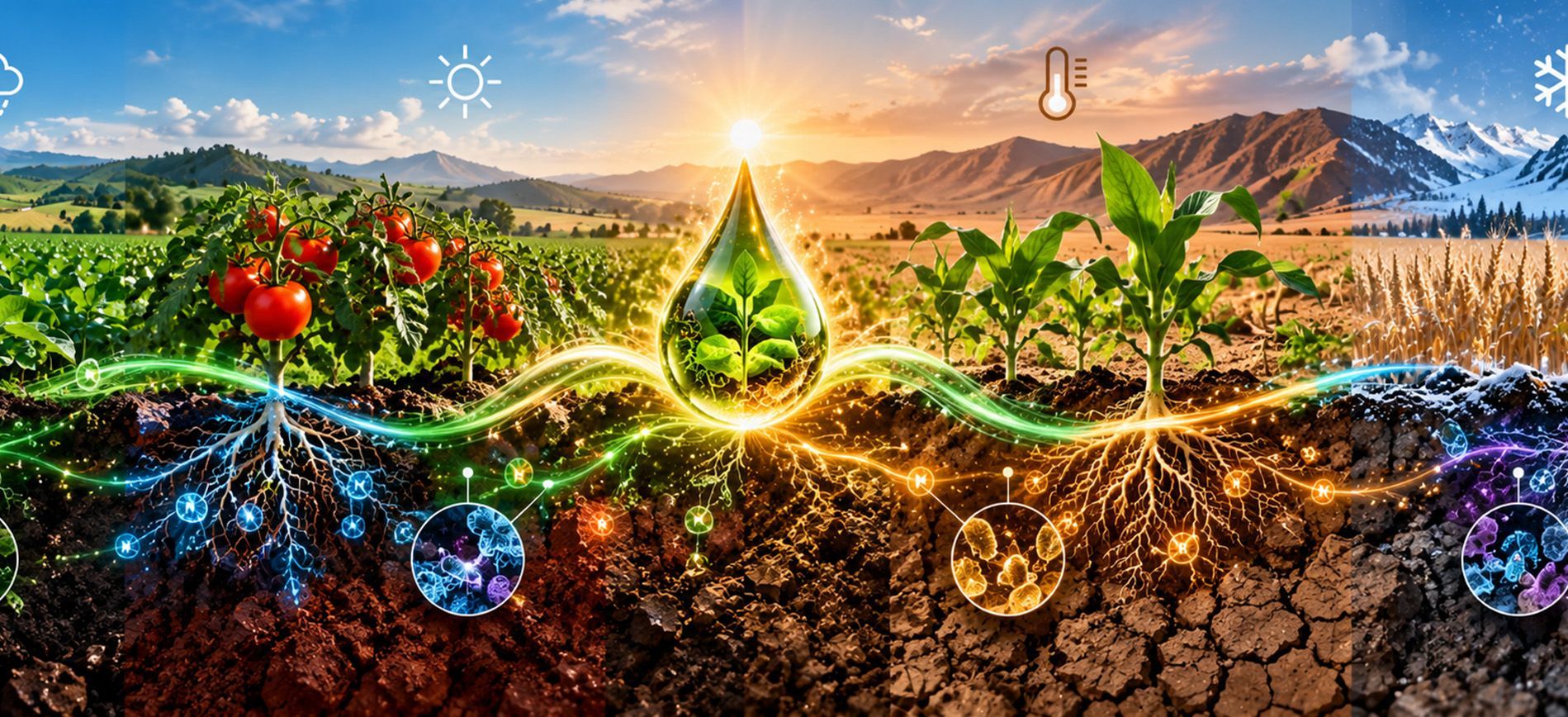
Silicon (Si) is not officially classified as an essential nutrient for most crops, yet modern research increasingly recognizes its powerful role in improving plant strength, disease resistance, and stress tolerance. In high-yield agriculture, silicon has shifted from being “beneficial” to being strategically important.
Crops such as rice, wheat, sugarcane, cucumbers, and tomatoes show significant performance improvements when silicon is adequately supplied—especially under drought, salinity, heat, and pest pressure.
In this blog, we explore how silicon works inside plants, deficiency indicators, fertilizer forms, and how to integrate silicon into modern crop nutrition programs.
Why Silicon Matters in Crop Production
Silicon accumulates in plant tissues and delivers multiple structural and physiological benefits:
- Cell Wall Reinforcement – Forms silica deposits that strengthen plant tissues.
- Lodging Resistance – Improves stem rigidity in cereals.
- Disease Suppression – Acts as a physical barrier against fungal penetration.
- Drought Tolerance – Reduces transpiration and improves water-use efficiency.
- Salinity Resistance – Helps regulate sodium uptake.
- Heavy Metal Detoxification – Limits aluminum and manganese toxicity.
Although not classified as essential for all crops, silicon significantly enhances performance under stress conditions.
According to FAO and agronomic research publications, silicon improves crop resilience and nutrient balance in intensive farming systems.
Crops That Respond Strongly to Silicon
| Number | Silicon Benefits |
|---|---|
| Rice | Reduced lodging, stronger tillers |
| Wheat | Improved stem strength, disease tolerance |
| Sugarcane | Increased biomass and sugar content |
| Tomato | Reduced blossom-end rot & disease pressure |
| Cucumber | Stronger vines, better fruit firmness |
| Grapes | Improved stress tolerance and leaf strength |
Silicon is especially important in sandy, weathered, or highly leached soils where plant-available silica is low.
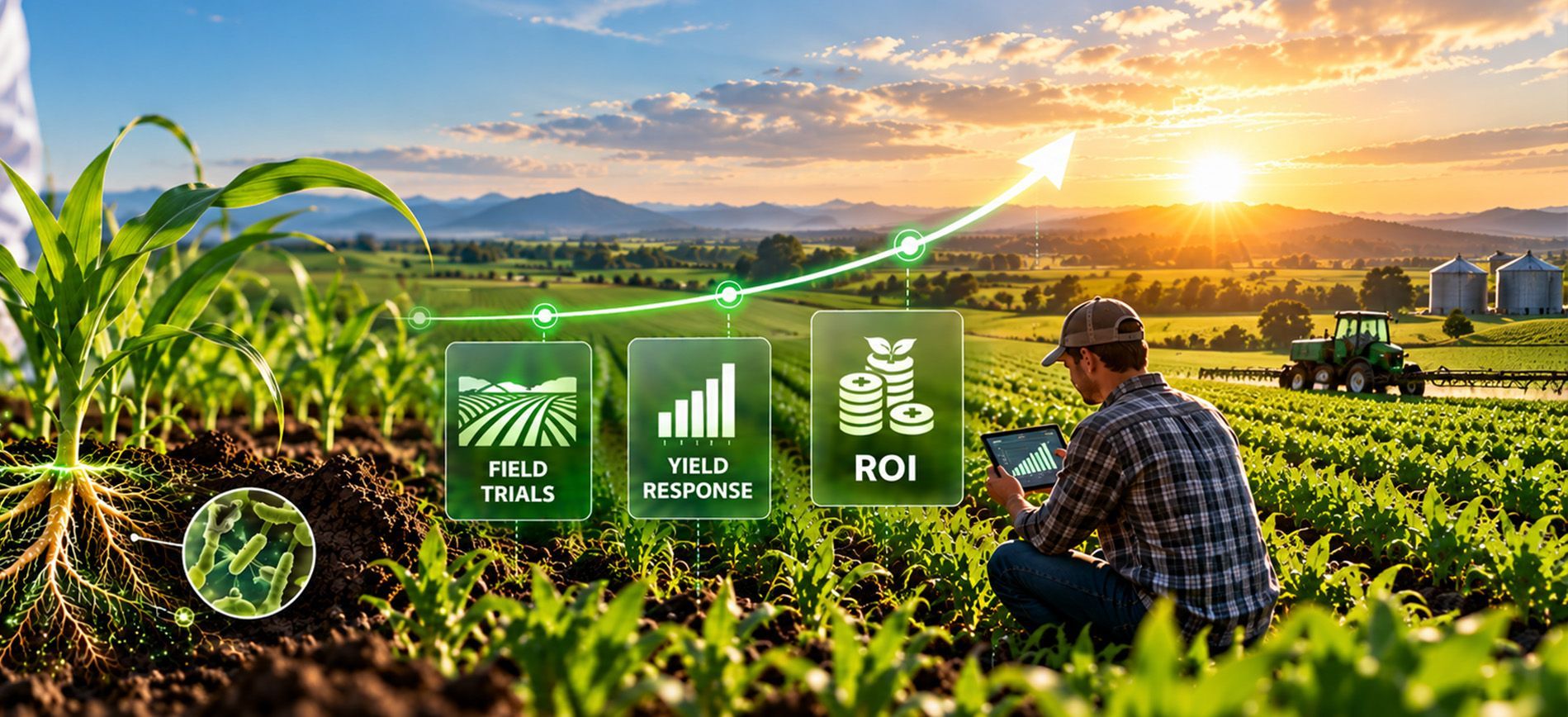
Research confirms that silicon fertilization improves yield stability under abiotic stress.
Forms of Silicon Fertilizers
| Fertilizer Type | Silicon Form | Application | Notes |
|---|---|---|---|
| Calcium Silicate Slag | CaSiO₃ | Soil | Raises pH and supplies Si |
| Potassium Silicate | K₂SiO₃ | Foliar/Fertigation | Soluble, fast uptake |
| Sodium Silicate | Na₂SiO₃ | Soil/Foliar | Less common in high-salinity soils |
| Silicic Acid (Stabilized) | H₄SiO₄ | Foliar | Highly bioavailable |
| Rice Husk Ash | Amorphous Si | Soil amendment | Slow-release natural source |
Soluble silicon forms, such as potassium silicate, are commonly used in greenhouse and high-value crop production.
Source: University of California ANR – Silicon in Plant Nutrition
Silicon and Stress Management
Silicon enhances plant tolerance against:
- Heat stress
- Drought stress
- Salinity stress
- Fungal diseases
- Insect feeding damage
It works by reinforcing epidermal layers and improving antioxidant enzyme activity.
The International Fertilizer Association (IFA) highlights the growing importance of beneficial elements, such as silicon, in climate-smart agriculture.
Best Practices for Silicon Fertilization
1. Apply Early in Growth Cycle: Silicon should be available during vegetative growth for maximum structural development.
2. Use Soil Application for Field Crops: Calcium silicate is ideal for rice and sugarcane systems.
3. Use Foliar Silicon in Horticulture: Potassium silicate improves stress tolerance in vegetables and fruit crops.
4. Combine with Balanced NPK: Silicon enhances nutrient uptake efficiency but does not replace essential nutrients.
5. Monitor Soil pH: Some silicon sources also modify soil pH—adjust accordingly.
Green Gubre Group’s Silicon Solutions
Our silicon-based products are designed for modern, stress-resilient agriculture:
- GreenSil Ca – Calcium silicate for field crops
- GreenSil K – Potassium silicate for foliar and fertigation
- GreenSil Pro – Stabilized silicic acid for high-value crops
- GreenSil Soil Boost – Silicon-enriched soil conditioner
Each solution includes:
- COA & MSDS documentation
- Compatibility guidelines
- Crop-stage application schedules
- Technical agronomic support
Conclusion: Silicon – The Shield of Modern Agriculture
Silicon is becoming a cornerstone of resilient farming systems. While not traditionally considered essential, its role in strengthening plants, reducing stress damage, and stabilizing yields makes it highly valuable in today’s climate-challenged agriculture.
At
Green Gubre Group, we integrate silicon into advanced nutrient programs that protect crops, enhance structural strength, and improve long-term productivity.