Chloride-Sensitive Crops – Fertilizer Strategies for Optimal Growth
Chloride-Sensitive Crops – Fertilizer Strategies for Optimal Growth
Introduction: When Chloride Becomes a Hidden Yield Limiter
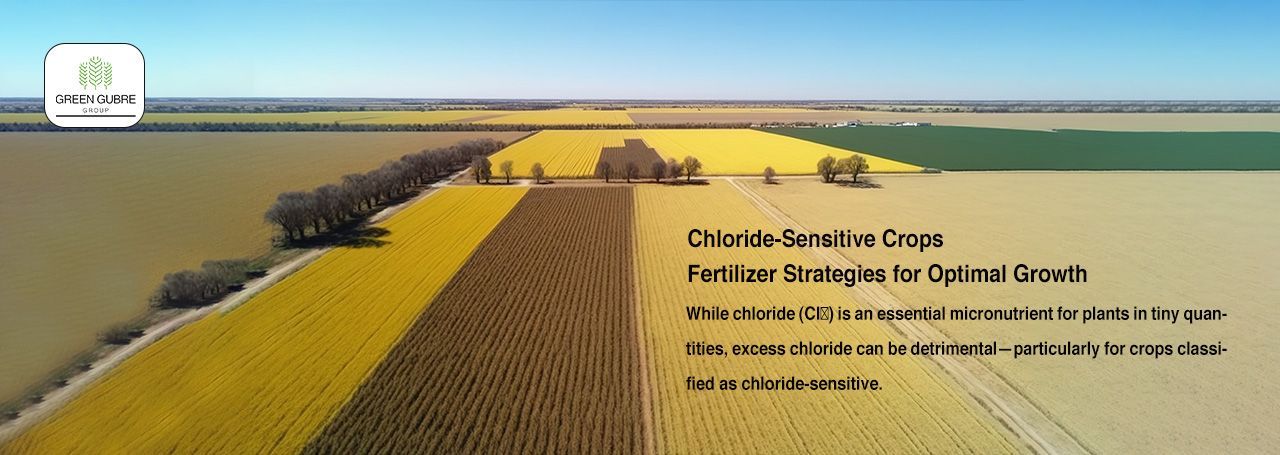
While chloride (Cl⁻) is an essential micronutrient for plants in tiny quantities, excess chloride can be detrimental—particularly for crops classified as chloride-sensitive. Overapplication of chloride-containing fertilizers, such as potassium chloride (MOP), can lead to leaf burn, poor fruit quality, and yield reduction in these sensitive crops. With climate variability and increasing salinity pressure in irrigated zones, managing chloride levels in crop nutrition has never been more critical.
This blog outlines key crops sensitive to chloride, familiar chloride sources in fertilizers, and innovative fertilization strategies to prevent chloride toxicity and ensure optimal crop performance.
What Are Chloride-Sensitive Crops?
Chloride sensitivity refers to a crop’s limited ability to tolerate elevated chloride levels in soil or irrigation water. Symptoms of chloride toxicity include leaf tip burn, marginal necrosis, premature leaf drop, and inhibited root growth.
Highly Sensitive Crops:
- Grapevine
- Tobacco
- Avocado
- Beans (especially French beans)
- Strawberry
Moderately Sensitive Crops:
- Citrus (especially mandarins)
- Potato
- Tomato
- Lettuce
- Onion
These crops perform poorly under saline conditions or with chloride-rich fertilizers, requiring special attention in nutrient management planning.
🔗 University of California – Chloride Toxicity in Sensitive Crops
Chloride in Fertilizer Products: Know Your Source
Many conventional fertilizers contain chloride, either as a primary component or as an impurity:
| Fertilizer | Chloride Content | Remarks |
|---|---|---|
| Muriate of Potash (MOP – KCl) | ~47% Cl⁻ | Avoid in chloride-sensitive crops |
| Potassium Sulfate (SOP – K₂SO₄) | 0% Cl⁻ | Ideal alternative |
| Ammonium Chloride | ~66% Cl⁻ | Avoid use |
| Calcium Nitrate | 0% Cl⁻ | Safe |
| Magnesium Sulfate | 0% Cl⁻ | Safe |
| Compound NPKs | Varies | Check product COA |
To ensure crop safety, it’s critical to verify the chloride level in fertilizers used, mainly when sourced from bulk blenders or low-cost suppliers.
Best Practices for Fertilizing Chloride-Sensitive Crops
- Switch to Chloride-Free Potassium Sources: Replace MOP with SOP, potassium nitrate, or organic potassium sources in fertilization programs.
- Use Certified Low-Chloride NPK Blends: Choose NPKs formulated specifically for chloride-sensitive crops with <2% chloride content.
- Irrigation Water Testing: Regularly test irrigation water for chloride levels. Concentrations >70 mg/L can trigger toxicity symptoms in sensitive crops.
- Apply Sulfate-Based Fertilizers: Sulfate-based formulations not only supply essential nutrients but also help balance excess chloride by competing for uptake.
- Soil Leaching (if permitted): In high-chloride areas, leaching with clean water can help reduce chloride accumulation in the root zone.
- Monitor with Tissue Testing: Periodic leaf and petiole analysis helps detect chloride buildup before visible damage occurs.
Conclusion: Feed with Care, Grow with Confidence
Chloride may seem like a minor component in plant nutrition, but for sensitive crops, it can make or break yield and quality. By selecting the right fertilizers, testing water sources, and monitoring nutrient levels, growers can avoid hidden yield losses and deliver top-quality produce.
At
Green Gubre Group, we help farmers and distributors make brighter, cleaner, and safer fertilization choices—because every crop deserves the proper nutrition.