Manganese Fertilizers – Enhancing Photosynthesis, Disease Resistance, and Root Development
Manganese Fertilizers – Enhancing Photosynthesis, Disease Resistance, and Root Development

Introduction: Manganese – The Hidden Workhorse of Plant Metabolism
Though often overlooked among micronutrients, manganese (Mn) plays a central role in plant health—especially in activating enzymes, supporting photosynthesis, and improving disease resistance. Its impact is most critical in cereal crops, legumes, and vegetables grown on high-pH or organic soils, where manganese becomes less available.
Manganese deficiency often goes unnoticed until plants show stunted growth or interveinal chlorosis. However, with timely manganese fertilization, farmers can significantly improve root activity, green tissue health, and stress resilience.
This blog explores manganese’s key physiological roles, common deficiency signs, and effective fertilization strategies for high-efficiency manganese use.
Why Plants Need Manganese
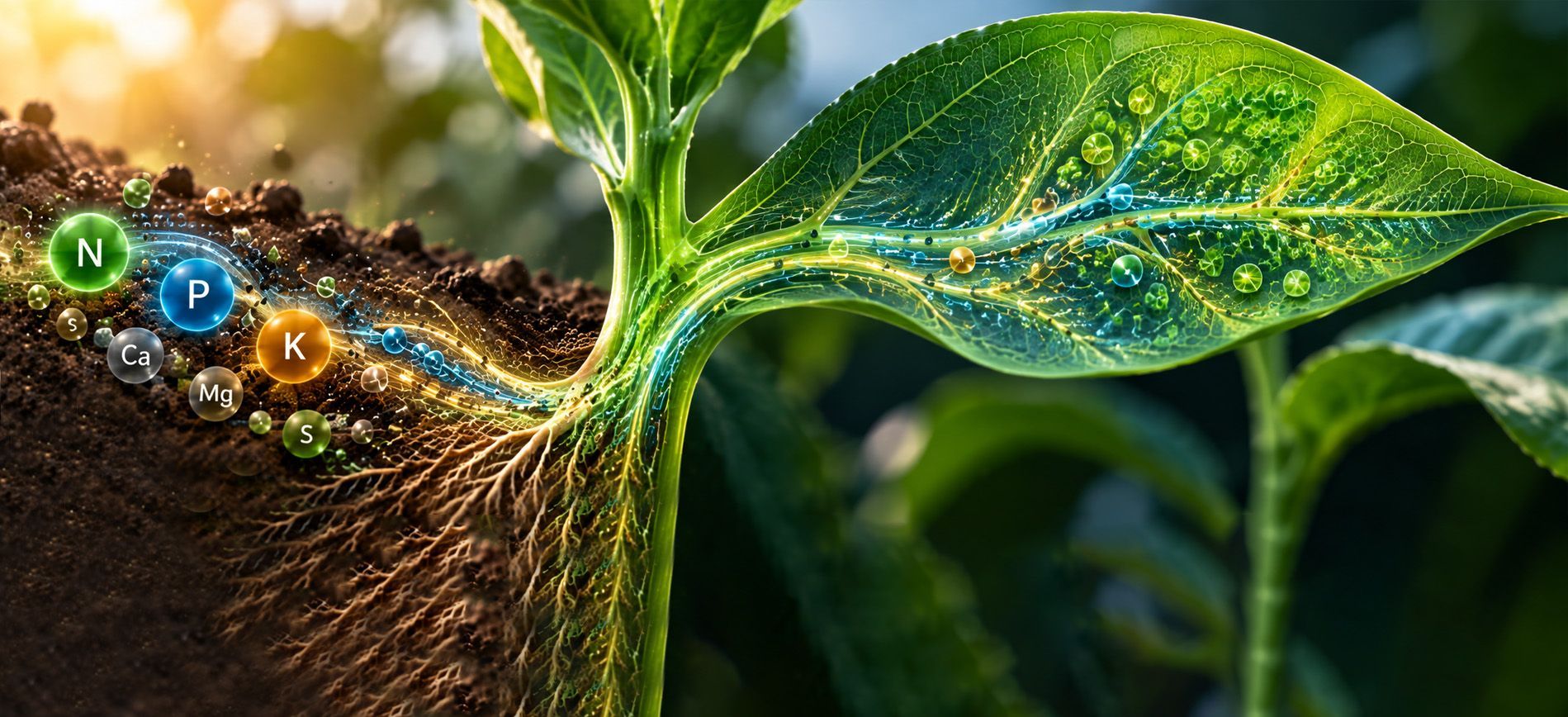
Manganese is crucial for several vital biochemical functions:
- Photosynthesis: Essential for splitting water molecules in photosystem II
- Enzyme activation: Regulates nitrogen metabolism, lignin biosynthesis, and antioxidant pathways
- Chlorophyll formation: Supports healthy leaf color and structure
- Disease resistance: Boosts lignin formation, making tissues more challenging and more pathogen-resistant
- Pollen development: Contributes to reproductive success in cereals and legumes
Manganese works closely with iron, zinc, and copper, but performs distinct functions in chloroplasts and root tissue development.
Manganese Deficiency Symptoms
| Crop | Deficiency Signs |
|---|---|
| Wheat | Interveinal chlorosis, delayed maturity |
| Soybean | Pale young leaves, reduced nodulation |
| Sugarcane | Light striping, weak stalks |
| Potato | Poor tuber initiation, leaf yellowing |
| Citrus | Mottled leaves, twig dieback |
| Lettuce | Marginal burn, yellow veins |
Manganese deficiency is most common in alkaline soils, sandy soils, and organic-rich peat soils, where Mn becomes oxidized and unavailable.
Types of Manganese Fertilizers and Their Applications
| Fertilizer Type | Mn Content (%) | Application Method | Notes |
|---|---|---|---|
| Manganese Sulfate (MnSO₄·H₂O) | ~31% | Soil, foliar | Most common, fast-acting |
| Chelated Manganese (EDTA-Mn) | ~12% | Foliar, fertigation | Stable in high pH, effective in alkaline soils |
| Manganese Nitrate | ~10% | Foliar | Rapid correction, often blended with other WSFs |
| Granular Mn-Oxide Blends | Varies | Soil pre-planting | Slow-release, used in base fertilizer blends |
🧪 Tip: Always check compatibility before mixing Mn with phosphates or high-pH solutions.
Best Practices for Manganese Fertilization
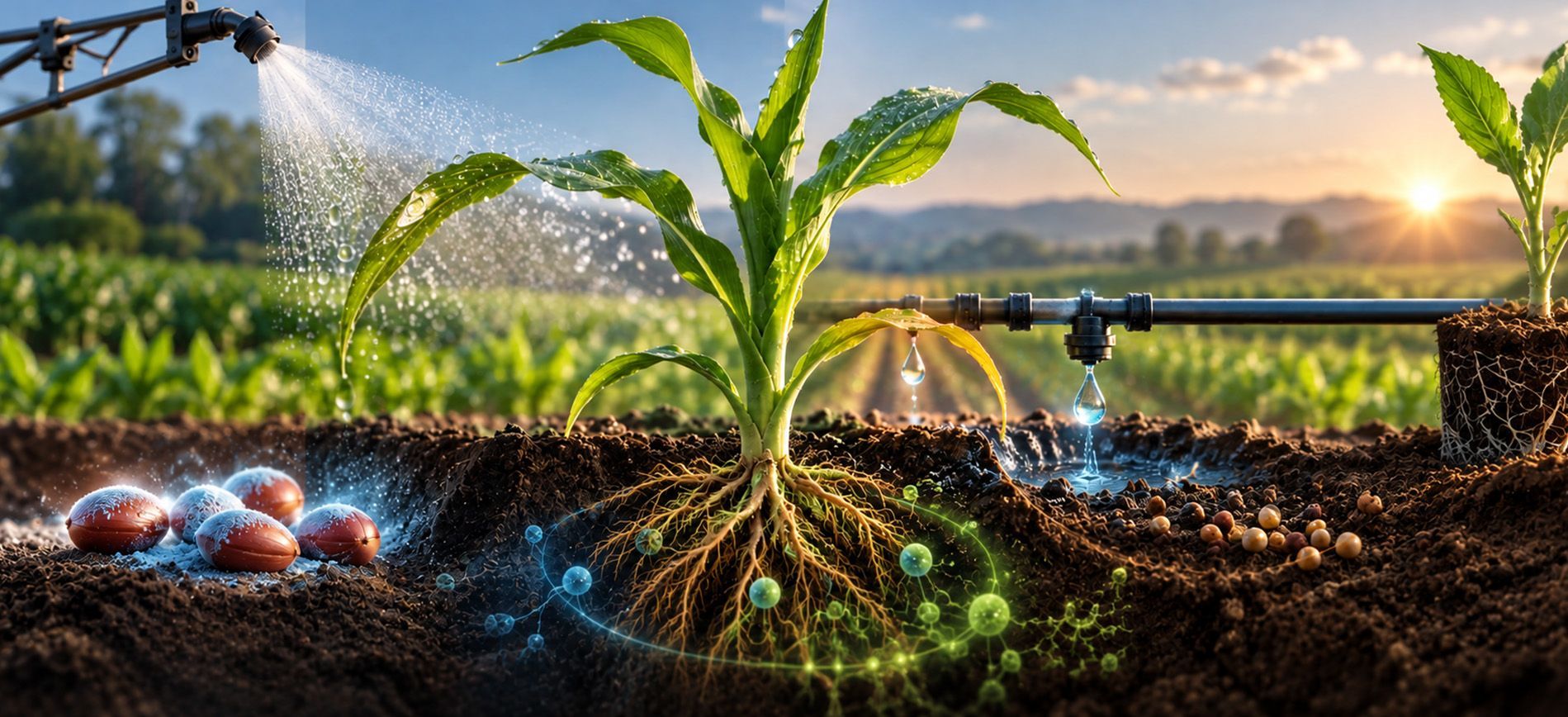
- Soil Application: Apply manganese sulfate or oxide at 10–30 kg/ha, depending on the severity of the deficiency. Granular options are ideal for base fertilizer programs in cereals and oilseeds.
- Foliar Spray: Apply 0.5% manganese sulfate or chelated Mn at early vegetative and pre-flowering stages. Foliar is ideal for rapid correction.
- Fertigation: Use chelated Mn (e.g., EDTA-Mn) to avoid precipitation and ensure uptake in alkaline or drip-irrigated soils.
- Seed Treatment: Coat seeds with manganese sulfate to support early root vigor and disease suppression in legumes and cereals.
Green Gubre Group’s Manganese Fertilizer Line
We offer a full range of manganese-based fertilizers to support optimal chlorophyll function and root development in high-yield systems:
- GreenMn Sulfate – 31% Mn, ideal for soil and foliar use
- GreenMn Chelate (EDTA) – For high-pH soils and fertigation
- GreenMix Micro – Multi-micronutrient blend with Mn, Zn, Fe, and Cu
- GreenMn Foliar Plus – Stabilized Mn nitrate for high-efficiency foliar spray
Each product includes:
- COA and compatibility charts
- Crop-specific timing and dosage recommendations
- Technical support for mixing and tank stability
Conclusion: Don’t Let Hidden Manganese Deficiency Limit Your Yield
Manganese is critical to early plant vigor, chlorophyll production, and disease resistance—yet often under-applied due to its subtle deficiency symptoms. By integrating manganese into your nutrition program, especially in alkaline or sandy soils, you strengthen the crop’s foundation for productivity and resilience.
At
Green Gubre Group, we help farmers deploy micronutrients, such as manganese, with precision, turning marginal gains into measurable yield improvements.