Sustainable Farming with Urea Fertilizers
Sustainable Farming with Urea Fertilizers
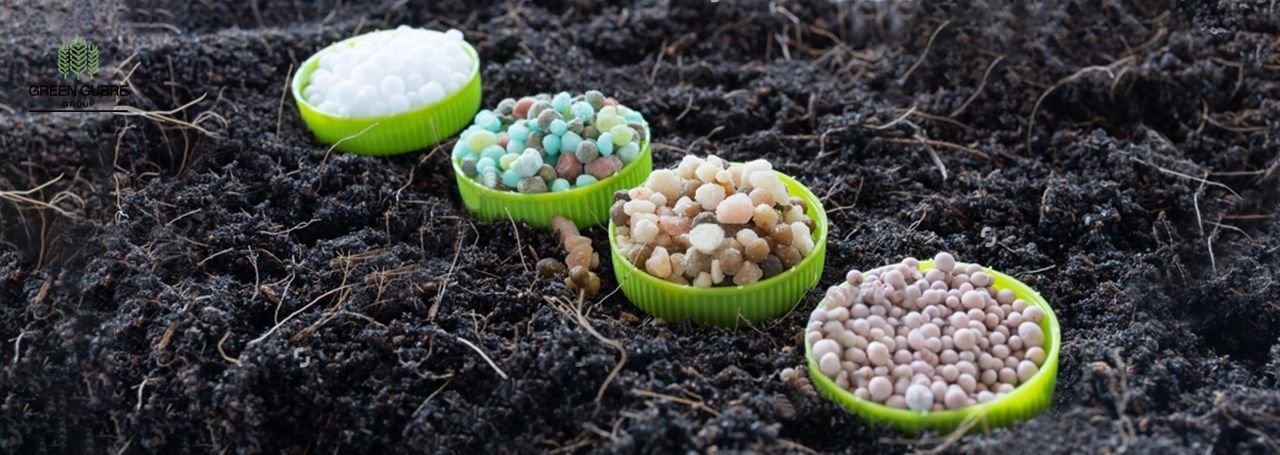
Urea fertilizers, especially Urea 46%, are some of the most widely used nitrogen sources in agriculture due to their efficiency in providing essential nutrients to crops. However, with the increasing global focus on sustainability, farmers are now looking for ways to use fertilizers more responsibly. This blog discusses how Urea fertilizers contribute to sustainable farming, offering insights into best practices for reducing environmental impact while improving crop yields.
1. Why Use Urea Fertilizers?
Urea 46% is one of the most nitrogen-rich fertilizers available, delivering a quick and efficient source of nitrogen for crops. It’s a versatile fertilizer used for various crops, including cereals, vegetables, and fruits. Nitrogen is essential for plant growth, as it promotes healthy leaf and stem development. Urea is favored because of its high concentration, ease of transport, and relatively low cost.
2. Sustainable Practices for Urea Application
While Urea fertilizers are highly effective, improper use can lead to nitrogen leaching into water sources, contributing to pollution. To mitigate these risks, sustainable practices should be followed:
- Precision Agriculture: Using GPS and data-driven farming methods helps apply fertilizers only where they are needed, reducing waste and environmental impact.
- Split Application: Instead of applying Urea in one go, splitting it into smaller doses throughout the growing season ensures the crops get a steady supply of nutrients and minimizes losses due to runoff or volatilization.
- Incorporating Urea into the Soil: By applying Urea directly into the soil, farmers can reduce nitrogen loss and increase its effectiveness.
3.The Future of Urea in Sustainable Agriculture
Innovations like enhanced efficiency fertilizers (EEFs), which reduce nutrient loss and improve nitrogen availability over time, are becoming increasingly important. These advancements make it easier for farmers to use Urea fertilizers sustainably without sacrificing yields.
Conclusion:
Urea fertilizers remain an essential tool for modern agriculture, but their impact on the environment can be minimized with responsible farming practices. By incorporating sustainability into fertilizer management, farmers can improve their yields while protecting the environment for future generations.