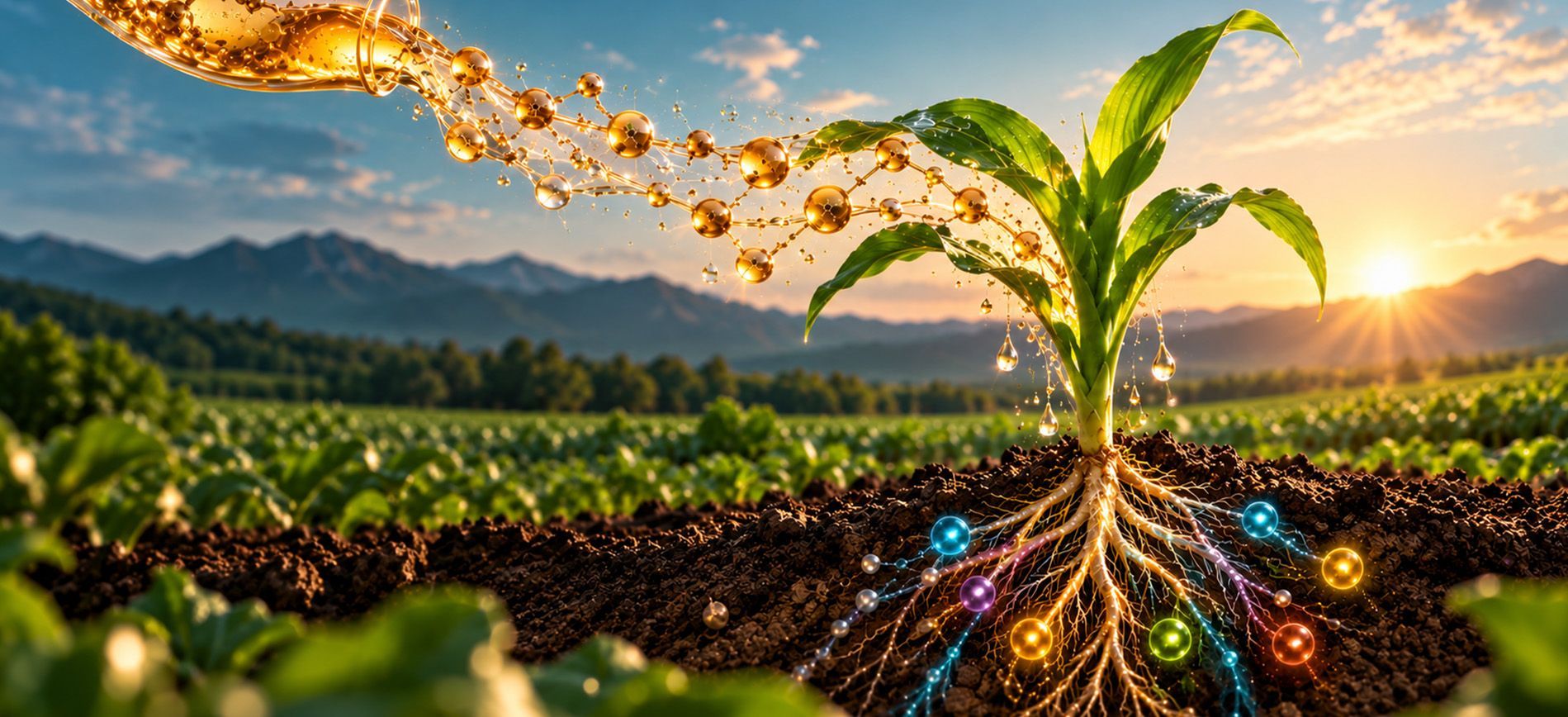
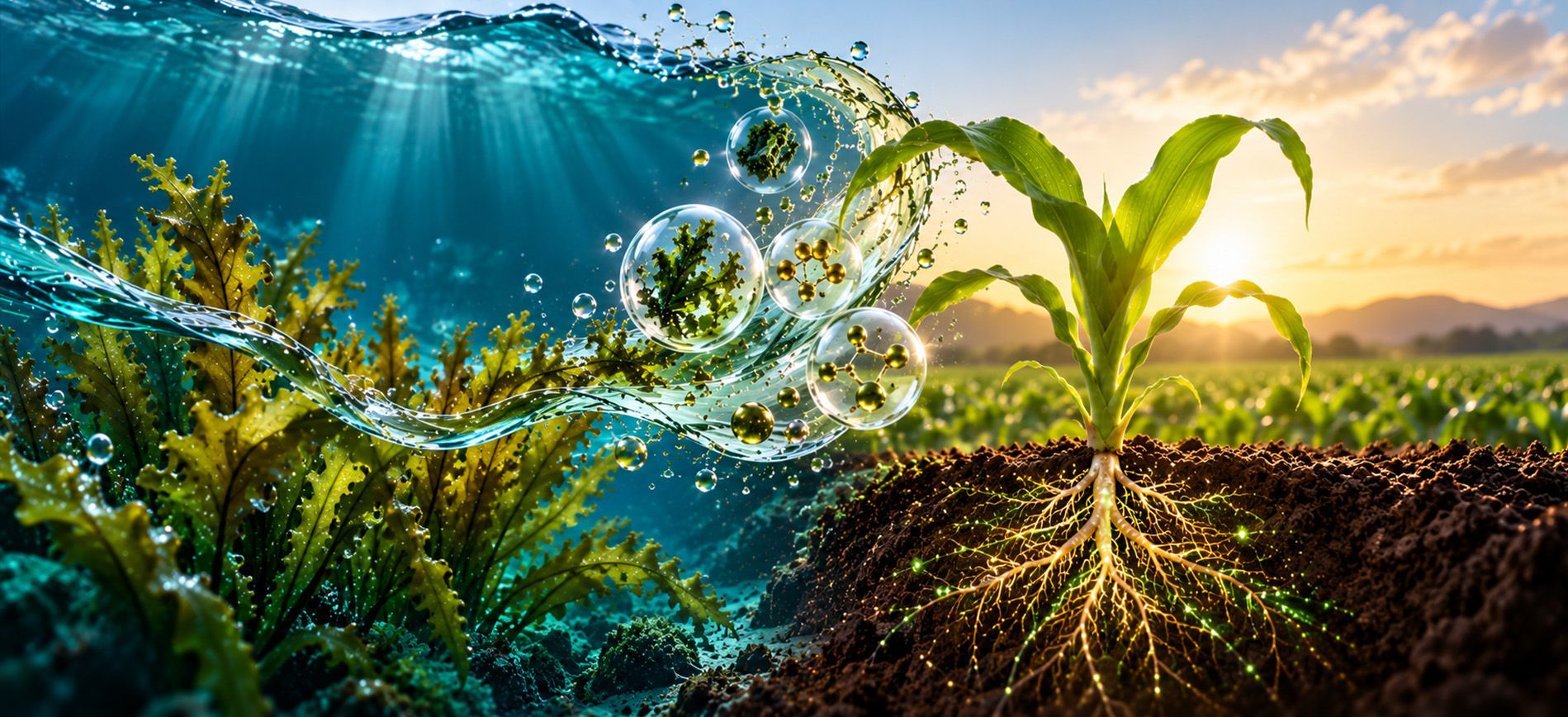
Sustainable Fertilizers: The Future of Global Agriculture
Sustainable Fertilizers: The Future of Global Agriculture

With the global population expected to reach 10 billion by 2050, ensuring food security has become a critical priority. Fertilizers play a vital role in boosting agricultural productivity, but their environmental impact cannot be ignored. This blog explores the concept of sustainable fertilizers, their benefits, and how they are shaping the future of agriculture worldwide.
What Are Sustainable
Fertilizers?
Sustainable fertilizers are products designed to minimize environmental harm while maximizing crop yields. They are often produced using eco-friendly methods and are optimized for nutrient efficiency, reducing the risks of soil degradation, water contamination, and greenhouse gas emissions.
Key Types of Sustainable
Fertilizers:
1. Slow-Release Fertilizers (SRFs): Deliver nutrients gradually over time to reduce runoff and waste.
2. Organic Fertilizers: Derived from natural materials like compost, animal manure, and plant residues.
3. Bio-Fertilizers: Contain living microorganisms that enhance nutrient uptake.
4. Enhanced Efficiency Fertilizers (EEFs): Use coatings or additives to improve nutrient utilization.
Benefits of Sustainable
Fertilizers
1. Environmental Protection
Sustainable fertilizers help reduce nutrient leaching into water bodies, which is a major cause of eutrophication and dead zones in aquatic ecosystems.
2. Improved Soil Health
Unlike traditional fertilizers, many sustainable options enhance soil organic matter and microbial activity, leading to better soil structure and fertility.
3. Increased Resource Efficiency
By optimizing nutrient delivery, sustainable fertilizers lower the amount of fertilizer needed, reducing costs for farmers and minimizing waste.
4. Reduced Greenhouse Gas Emissions
Fertilizers like bio-fertilizers and EEFs can significantly cut down emissions of nitrous oxide, a potent greenhouse gas.
Innovations Driving Sustainability
1. Nano-Fertilizers
Nano-fertilizers use nanotechnology to deliver nutrients at the molecular level, ensuring precise and efficient nutrient application.
2. Smart Fertilizers
Equipped with sensors or coatings, smart fertilizers release nutrients in response to soil conditions, temperature, or crop needs.
3. Carbon-Negative Fertilizers
Produced from captured carbon dioxide, these fertilizers actively reduce atmospheric CO2 levels.
4. Digital Tools for Application
AI-driven platforms and drones are being used to optimize fertilizer application, minimizing waste and environmental impact.
Case Study: A Sustainable
Fertilizer Success Story
A farming cooperative in Sub-Saharan Africa adopted bio-fertilizers to replace synthetic nitrogen fertilizers. This shift not only improved soil fertility but also increased maize yields by 25% while cutting costs by 20%. Additionally, the use of bio-fertilizers reduced nitrogen runoff, preserving local water quality.
Global Adoption Trends
1. Government Incentives:
Many countries are offering subsidies and tax breaks for farmers adopting sustainable fertilizers.
2. Rising Consumer Awareness:
Consumers are increasingly demanding food grown using sustainable practices, pushing the agricultural sector toward greener solutions.
3. Corporate Responsibility:
Major agricultural companies are investing in R&D for sustainable fertilizers, recognizing their importance in the global market.
Challenges and Opportunities
Challenges:
• Higher initial costs compared to traditional fertilizers.
• Limited awareness and access in developing regions.
• Regulatory barriers in some markets.
Opportunities:
• Expanding markets in regions with high agricultural potential.
• Technological advancements reducing production costs.
• Integration with sustainable farming practices for holistic benefits.
Conclusion
Sustainable fertilizers represent a crucial step toward balancing agricultural productivity with environmental conservation. As global demand for food rises, these innovative products will play an essential role in ensuring food security while protecting our planet. Adopting sustainable fertilizers is not just a choice—it’s a necessity for the future of global agriculture.
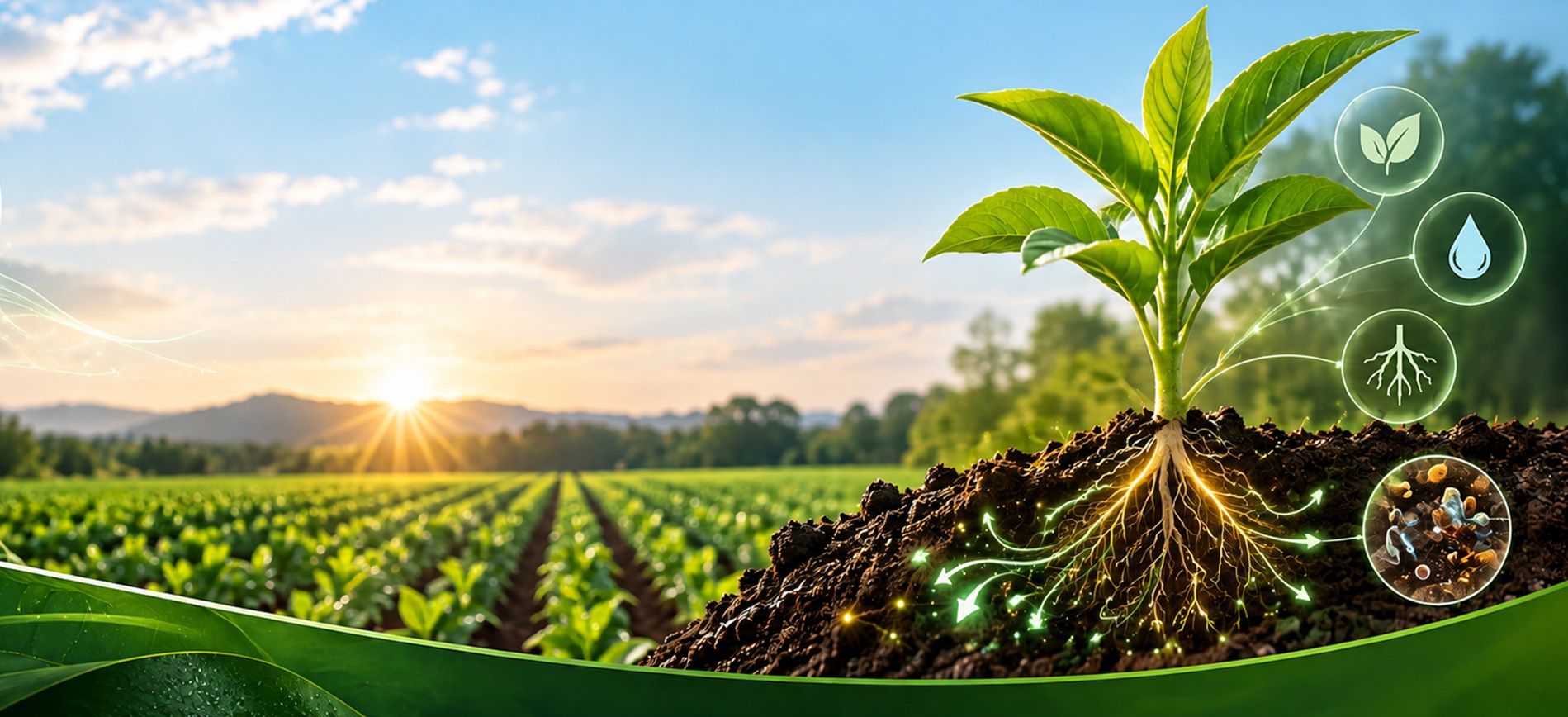
Chitosan and Biopolymer Biostimulants: Improving Plant Growth, Stress Tolerance, and Crop Resilience