Understanding the Basics of Urea
What is Urea and Why is it Important in Agriculture?

Urea is a crucial compound widely used in agriculture. Understanding its properties and benefits can help farmers optimize their crop yields. In this blog post, we'll delve into what urea is, how it's produced, its applications in agriculture, and its benefits to farmers.
What is Urea?
Urea is an organic compound with the chemical formula CO(NH2)2. It is highly soluble in water and is a significant component of the nitrogen cycle. As a key nitrogen source, urea is essential in promoting plant growth.
How is Urea Produced?
Urea is produced industrially from ammonia and carbon dioxide. The production process involves high temperatures and pressure, producing a high-purity product. This method ensures that urea is both efficient and cost-effective for agricultural use.
Applications in Agriculture
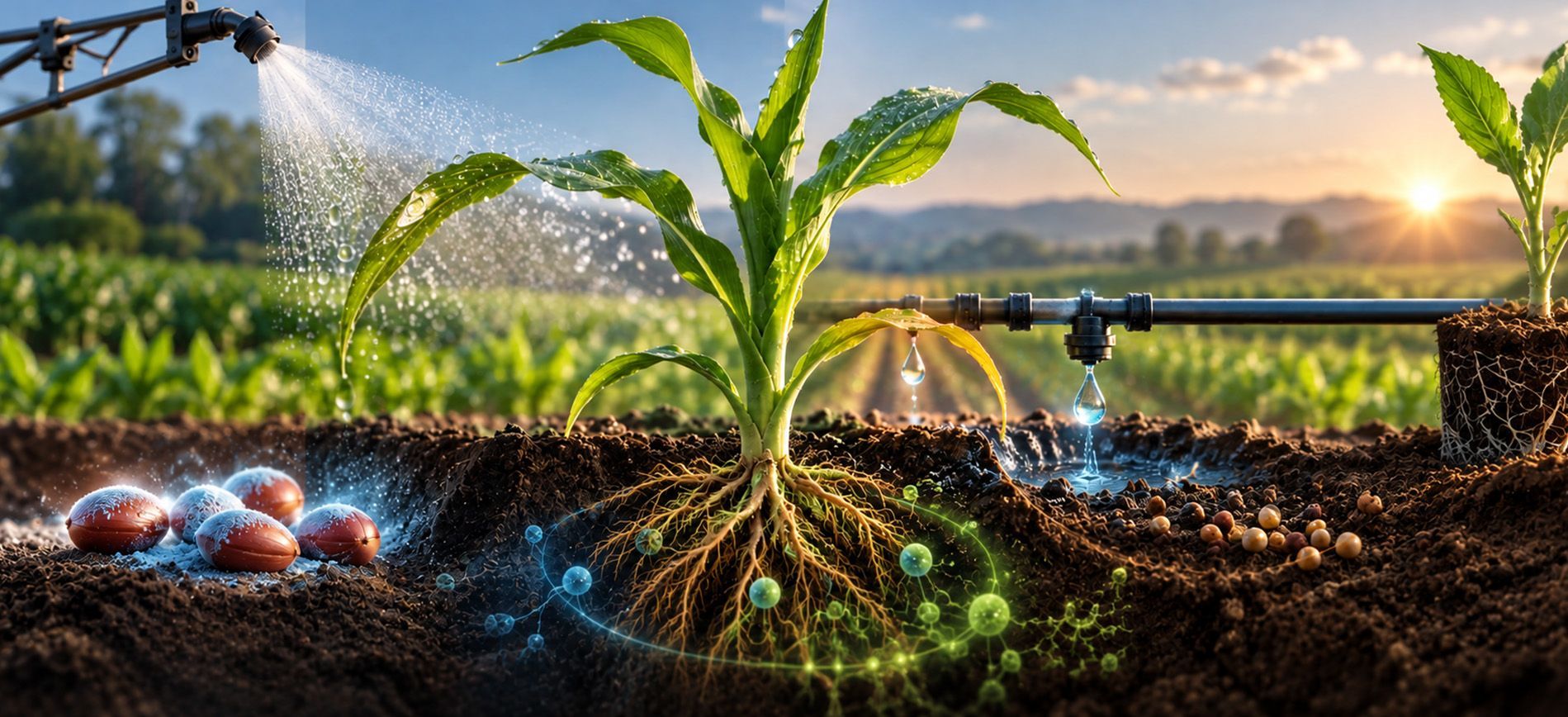
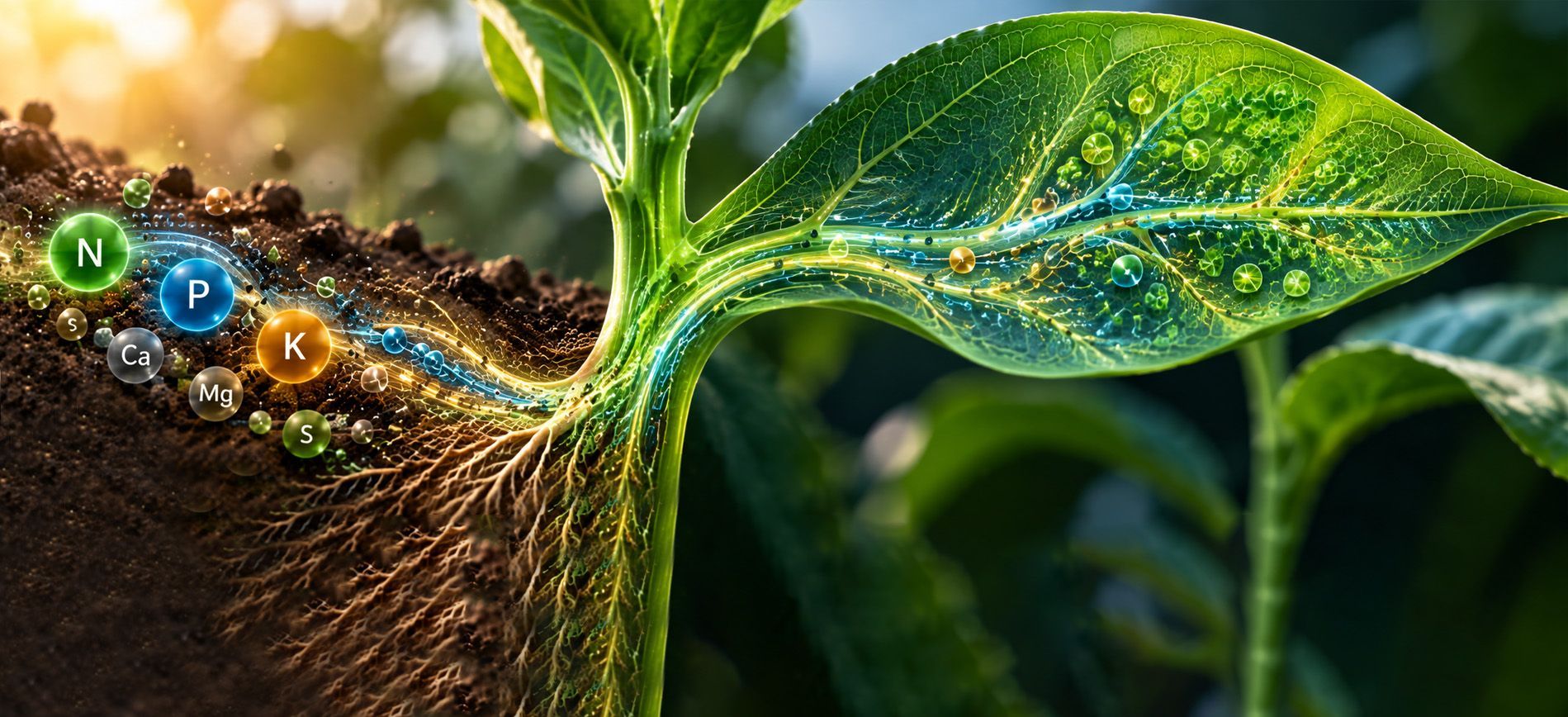
Urea is primarily used as a nitrogen-release fertilizer. It provides a readily available source of nitrogen, which is essential for plant growth. Farmers use urea to enrich the soil, ensuring that crops receive the necessary nutrients to thrive.
Benefits of Using Urea
Using urea as a fertilizer can significantly increase crop yields and improve soil health. It is also cost-effective compared to other nitrogen fertilizers, making it an economical choice for farmers. Additionally, urea's high nitrogen content helps plants grow faster and healthier.
Understanding the basics of urea and its applications in agriculture can help farmers make informed decisions to boost their productivity. By incorporating urea into their farming practices, they can achieve higher crop yields and maintain healthier soils.