AI in Fertilizer Management – The Future of Precision Agriculture
AI in Fertilizer Management – The Future of Precision Agriculture
Introduction: Smarter Farming Begins with Smarter Inputs
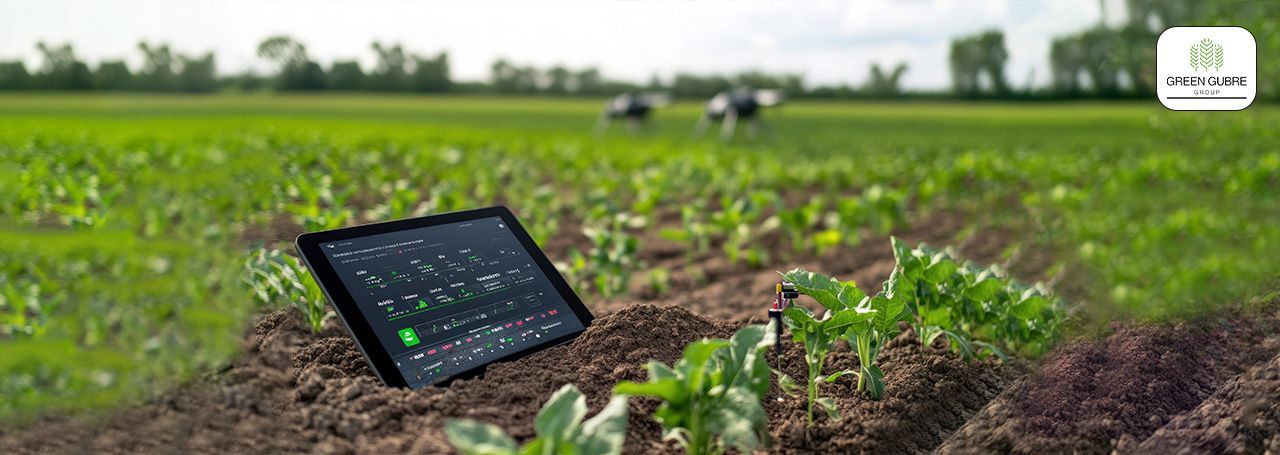
As global agriculture faces increasing pressure to boost yields, protect the environment, and use resources efficiently, artificial intelligence (AI) is transforming how fertilizers are managed. From satellite-guided soil mapping to real-time nutrient recommendations, AI is bringing a level of precision and responsiveness never before possible in crop nutrition.
By integrating weather data, crop models, remote sensing, and machine learning, AI-driven fertilizer systems help farmers reduce waste, cut costs, and optimize yield—all while protecting soil health and minimizing runoff. This is not just the future of farming. It’s already here.
🔗 FAO – The Role of Digital Technologies in Sustainable Agriculture
What Is AI-Based Fertilizer Management?
AI fertilizer management refers to the use of machine learning, data analytics, and digital tools to:
- Predict nutrient needs based on weather, soil, and crop data
- Adjust fertilizer schedules in real-time
- Automate the application using innovative machinery
- Minimize environmental losses (e.g., nitrate leaching, volatilization)
The system learns from millions of data points—satellite imagery, past yields, plant growth stages, and even root-zone moisture—to tailor the correct nutrient dose to the right time and place.
Key Technologies Behind AI Fertilizer Systems
| Technology | Function in Fertilizer Management |
|---|---|
| Machine Learning | Predicts nutrient demand and response curves |
| Remote Sensing | Detects nutrient stress and biomass levels via satellite/drones |
| IoT Soil Sensors | Tracks real-time soil pH, EC, and nutrient levels |
| Digital Twins | Simulates crop–soil–weather–fertilizer interactions |
| Variable Rate Tech | Adjusts fertilizer application rates based on field variability |
These tools enable precision at scale—automatically detecting nutrient stress in a tomato field or adjusting nitrogen dosage for rice based on rainfall predictions.
🔗 ScienceDirect – AI and Decision Support in Fertilizer Application
Benefits of AI in Fertilizer Application
- Improved Nutrient Use Efficiency (NUE): AI ensures each unit of fertilizer is used effectively, lowering application rates while maintaining yield.
- Cost Reduction: Precise inputs reduce fertilizer waste, saving 10–30% of input costs annually.
- Yield Optimization: AI recommends ideal nutrient timing and combinations for every crop stage.
- Environmental Sustainability: Less runoff, nitrate pollution, and soil degradation, supporting climate-smart agriculture goals.
- Field-Level Customization: AI tailors nutrition plans to micro-variations in soil, crop variety, and water availability.
🔗 OECD – Digital Opportunities for Climate-Smart Agriculture
AI in Action: Real-World Use Cases
- India: AI-powered mobile apps like CropIn provide smallholders with real-time fertilizer guidance based on image analysis and local weather data.
- USA: Farmers using John Deere’s See & Spray AI system have reduced nitrogen application by up to 30% with no yield penalty.
- Netherlands: AI-driven fertigation systems in greenhouses adjust potassium and calcium nitrate delivery based on plant signals and growth algorithms.
These case studies prove that AI isn’t just theoretical—it’s already delivering value across both smallholder and commercial farms.
Challenges to Adoption
While promising, AI fertilizer tools face barriers:
- Data Access: Many farmers lack reliable soil and weather datasets.
- Connectivity Gaps: Rural regions may lack internet for cloud-based AI tools.
- Training Needs: Extension workers and farmers need guidance on using digital platforms.
- Equipment Cost: AI-capable sensors and machinery are still expensive for small farms.
However, falling costs, government support, and bundled services (e.g., AI with fertilizer purchase) are rapidly closing these gaps.
Green Gubre Group’s AI-Driven Fertilizer Innovation
At Green Gubre Group, we are at the forefront of digital agriculture. Our precision nutrition solutions integrate AI technology to optimize crop response and sustainability:
- Smart Blends Based on AI-Curated Soil Data
- Adaptive Nutrient Planning for Seasonal & Crop Cycles
- Partner Integration with IoT and Satellite Platforms
- Fertilizer Algorithms Tailored to Local Climatic Zones
We believe the future of crop nutrition is not just digital—it’s intelligent.
Conclusion: Fertilization Enters the AI Age
Artificial intelligence is unlocking a new era of efficiency, customization, and resilience in fertilizer management. With precise insights into nutrient timing, demand, and environmental conditions, AI empowers growers to make smarter decisions that sustainably feed the world.
By embracing AI-driven fertilizer strategies, farmers can not only reduce costs and inputs but also build healthier soils, reduce emissions, and improve food quality for generations to come.
Fertilize smart. Grow better. Trust the intelligence of Green Gubre Group.
Chitosan and Biopolymer Biostimulants: Improving Plant Growth, Stress Tolerance, and Crop Resilience