Sustainable Fertilizer Packaging – Rethinking Waste in the Agri-Supply Chain
Sustainable Fertilizer Packaging – Rethinking Waste in the Agri-Supply Chain

Introduction: Beyond the Bag – Why Fertilizer Packaging Matters
In the global push toward sustainability, every part of the agricultural value chain is under scrutiny—including the bags and containers used to deliver fertilizers. While fertilizers play a key role in food security and productivity, the plastic waste generated through their packaging often goes unnoticed.
As environmental regulations tighten and consumer expectations evolve, sustainable fertilizer packaging is no longer just a trend—it’s becoming a necessity. From biodegradable bags to reusable bulk containers, innovative packaging solutions are transforming the way agri-inputs are stored, transported, and disposed of.
The Environmental Impact of Conventional Fertilizer Packaging
Most fertilizers are packaged in:
- 25/50 kg polypropylene (PP) or polyethylene (PE) bags
- 1MT jumbo bags (FIBCs)
- Laminated woven sacks
- Plastic or metal drums (for liquids)
These materials are:
- Difficult to recycle in rural areas
- Often left behind in fields, leading to microplastic contamination
- Rarely reused, even when intact
Each year, millions of tons of fertilizer packaging contribute to agro-industrial waste across Asia, Africa, and Latin America. This not only pollutes soils and waterways but also undermines the sustainable image of modern agriculture.
What Makes Fertilizer Packaging Sustainable?
A sustainable fertilizer package must meet three key goals:
| Goal | Sustainable Feature |
|---|---|
| Reduce environmental harm | Recyclable, biodegradable, or compostable materials |
| Improve supply chain value | Lightweight, stackable, moisture-resistant |
| Enhance traceability | QR-code labeling, tamper-proof seals, batch information |
Forward-thinking companies are adopting:
- Mono-material PE bags (fully recyclable)
- Biodegradable packaging for organic and biofertilizers
- Reusable FIBCs with stronger stitching and moisture barriers
- QR-enabled labels for product traceability and transparency
Benefits of Switching to Eco-Friendly Packaging
Making the shift to sustainable packaging offers both environmental and commercial advantages:
For the Environment:
- Reduces plastic pollution in farmlands
- Minimizes carbon emissions during production
- Supports national climate targets and ESG compliance
For Distributors and Buyers:
- Lighter, stronger packaging reduces transport costs
- Easier handling improves warehouse efficiency.
- Enhances brand image and customer loyalty
For Exporters:
- Meets import regulations in the EU, UK, and parts of Africa
- Increases acceptance among environmentally conscious buyers
- Adds value to tenders with sustainability clauses
Green Gubre Group’s Packaging Innovation Strategy
At Green Gubre Group, we are committed to:
- Reducing plastic waste across our supply chain
- Offering sustainable alternatives for bulk and retail packaging
- Collaborating with packaging manufacturers to develop next-generation solutions
Our current initiatives include:
- Offering fully recyclable PE-based 50kg and jumbo bags
- Piloting returnable FIBC programs with strategic bulk buyers
- Providing QR-coded labeling for improved transparency and digital record-keeping
- Designing
low-impact packaging for our specialty fertilizers and water-soluble lines
We also help our clients in:
- Selecting packaging that meets destination-country import rules
- Planning for post-use collection or recycling strategies
- Accessing eco-labeling certifications when needed
Conclusion: Packaging the Future of Sustainable Agriculture
The future of fertilizer packaging isn’t just about convenience—it’s about responsibility. As climate challenges intensify, the industry must go beyond product performance and address the hidden impact of packaging waste.
At Green Gubre Group, we believe the fertilizer bag should do more than carry nutrients—it should embody sustainability, innovation, and global stewardship. Whether you’re a distributor, farmer, or policymaker, rethinking packaging is a step toward a cleaner, greener agri-sector.
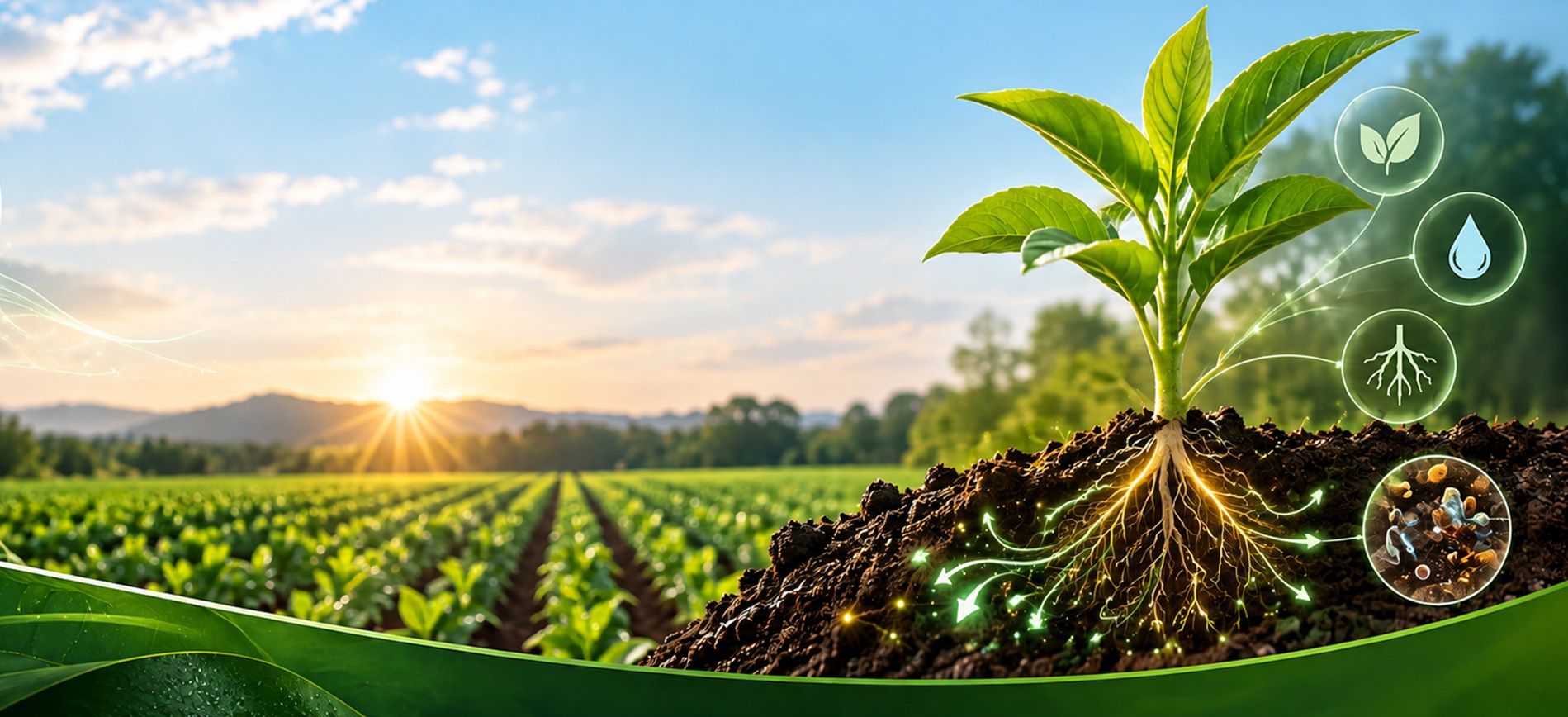
Chitosan and Biopolymer Biostimulants: Improving Plant Growth, Stress Tolerance, and Crop Resilience