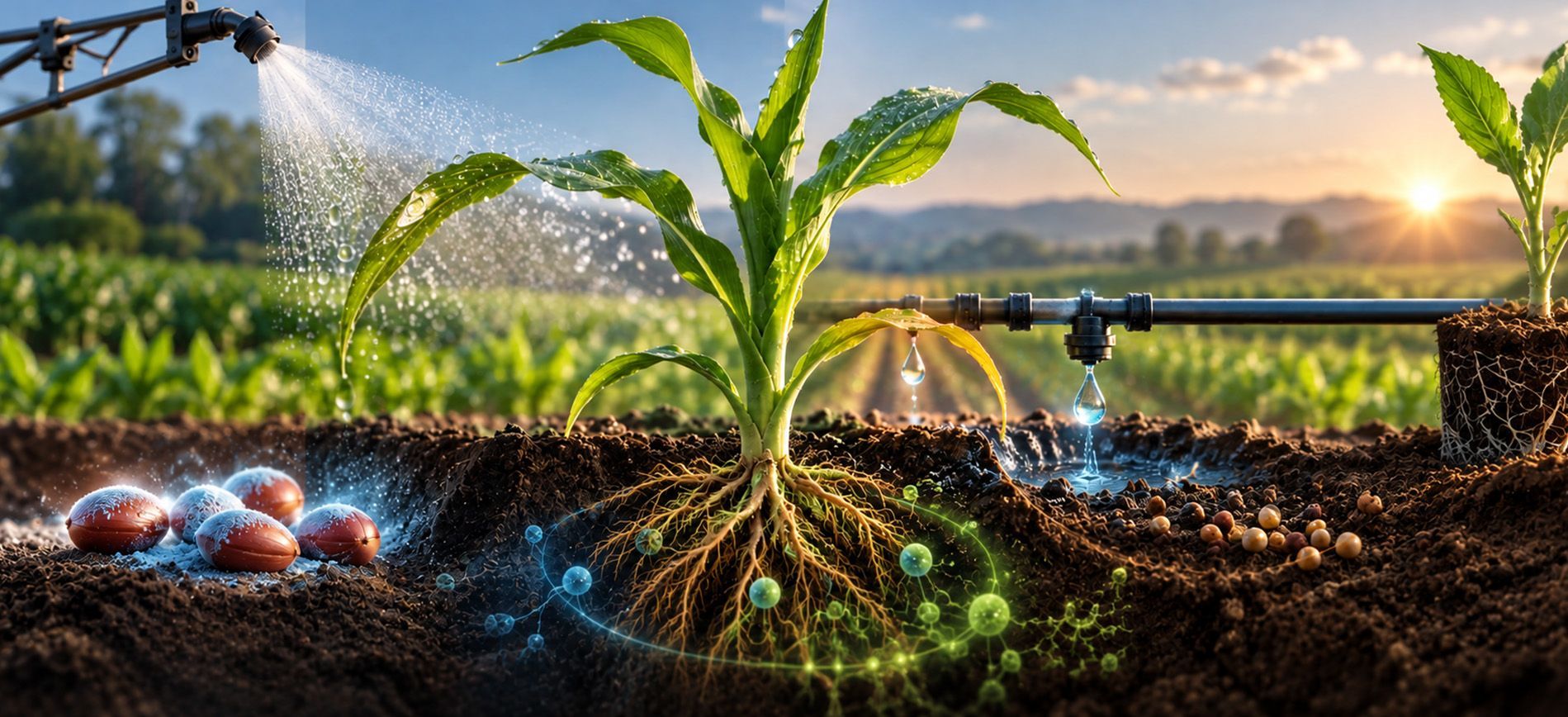
How to Maximize Crop Yields with Granular Urea
Best Practices for Using Granular Urea
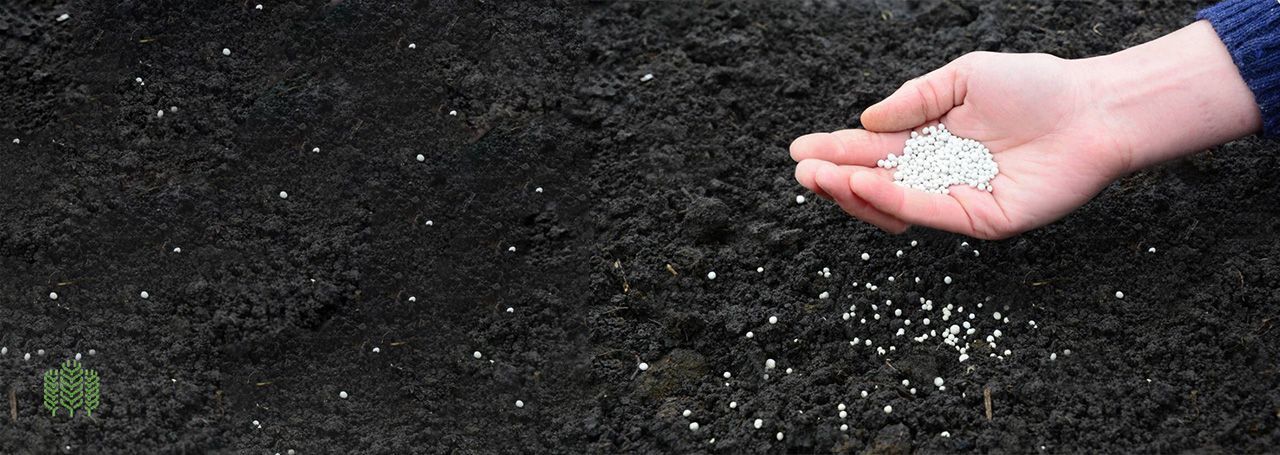
Granular urea is a powerful fertilizer that can help maximize crop yields when used correctly. In this blog post, we will explore best practices for using granular urea to ensure optimal plant growth and soil health.
- Soil Testing:
Conduct soil tests to determine the nutrient needs of your soil and adjust your urea application accordingly. Understanding the specific requirements of your soil will help you apply the right amount of granular urea, enhancing its effectiveness.
Application Timing:
Apply granular urea at the right time, ideally before the growing season, to ensure plants have access to nitrogen when they need it most. Timely application is crucial for maximizing the benefits of granular urea and promoting healthy plant growth.
Proper Application Techniques:
Broadcasting: Spread granular urea evenly over the soil surface. This method ensures uniform distribution of nutrients, which is essential for consistent plant growth.
Side-Dressing: Apply urea alongside growing plants to provide additional nitrogen during critical growth stages. Side-dressing helps boost nutrient availability when plants need it the most, enhancing overall yield.
Irrigation:
Water the soil after applying granular urea to help it dissolve and reach the plant roots. Proper irrigation ensures that the urea is absorbed efficiently, reducing the risk of nitrogen loss through volatilization.
By following these best practices, farmers can maximize their crop yields and improve soil health using granular urea. Conducting soil tests, applying urea at the right time, using proper application techniques, and ensuring adequate irrigation are key steps to achieving optimal results with granular urea.