The Benefits of Prilled Urea
Author name
Exploring the Benefits of Prilled Urea for Agriculture
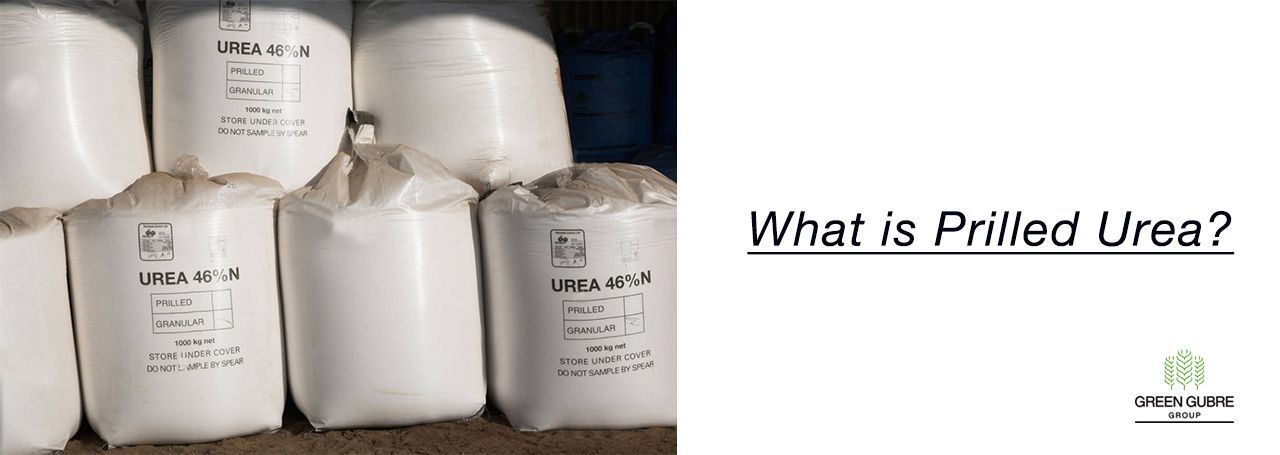
Prilled urea
consists of small, round pellets of urea, created by spraying molten urea into the air and letting it solidify. This process results in uniform, easy-to-handle pellets that are widely used in farming.
Advantages of
Prilled Urea
- Uniform Distribution: The small, round pellets ensure even distribution across the soil, helping plants receive a consistent supply of nitrogen.
- High Solubility: Prilled urea dissolves quickly, making nitrogen available to plants faster and promoting rapid growth.
- Versatility: Prilled urea can be used in various soil types and climates, making it a flexible option for farmers worldwide.
Best Practices for Using Prilled Urea
- Even Application: Apply
prilled urea evenly to avoid hotspots and ensure all plants receive adequate nitrogen.
- Proper Equipment: Use appropriate spreading equipment to ensure uniform distribution and optimal coverage.
- Soil Incorporation: Incorporate prilled urea into the soil to minimize nitrogen loss due to volatilization and enhance nutrient uptake by plants.
Prilled urea offers unique benefits for agriculture, particularly in terms of uniform distribution and quick solubility. By following best practices for its application, farmers can maximize the effectiveness of prilled urea and improve their crop yields.

Learn how to apply plant biostimulants through foliar sprays, fertigation, soil, and seed treatments, with practical guidance on timing and compatibility.

Learn how plant biostimulants may improve nutrient use efficiency, support crop nutrition, optimize fertilizer programs, and enhance nutrient uptake in crops.

Learn the differences between fertilizers, biofertilizers, and biostimulants and how each supports modern crop nutrition.