Iron Fertilizers – Restoring Greenness, Respiration, and Crop Performance
Iron Fertilizers – Restoring Greenness, Respiration, and Crop Performance
Introduction: Iron – The Micronutrient Behind Plant Vitality
Iron (Fe) is the spark plug of plant metabolism. While not a structural component of chlorophyll, iron is essential for its synthesis, electron transport, and energy production. Iron deficiency—commonly known as chlorosis—leads to yellowing of young leaves, stunted growth, and poor yields, especially in calcareous or alkaline soils where iron becomes insoluble.
In this blog, we’ll explore iron’s essential functions, recognize deficiency symptoms, compare fertilizer forms, and share best practices for ensuring optimal uptake. Iron may be a micronutrient, but its impact on photosynthesis, respiration, and plant color is anything but small.
Why Iron Is Critical for Plant Health
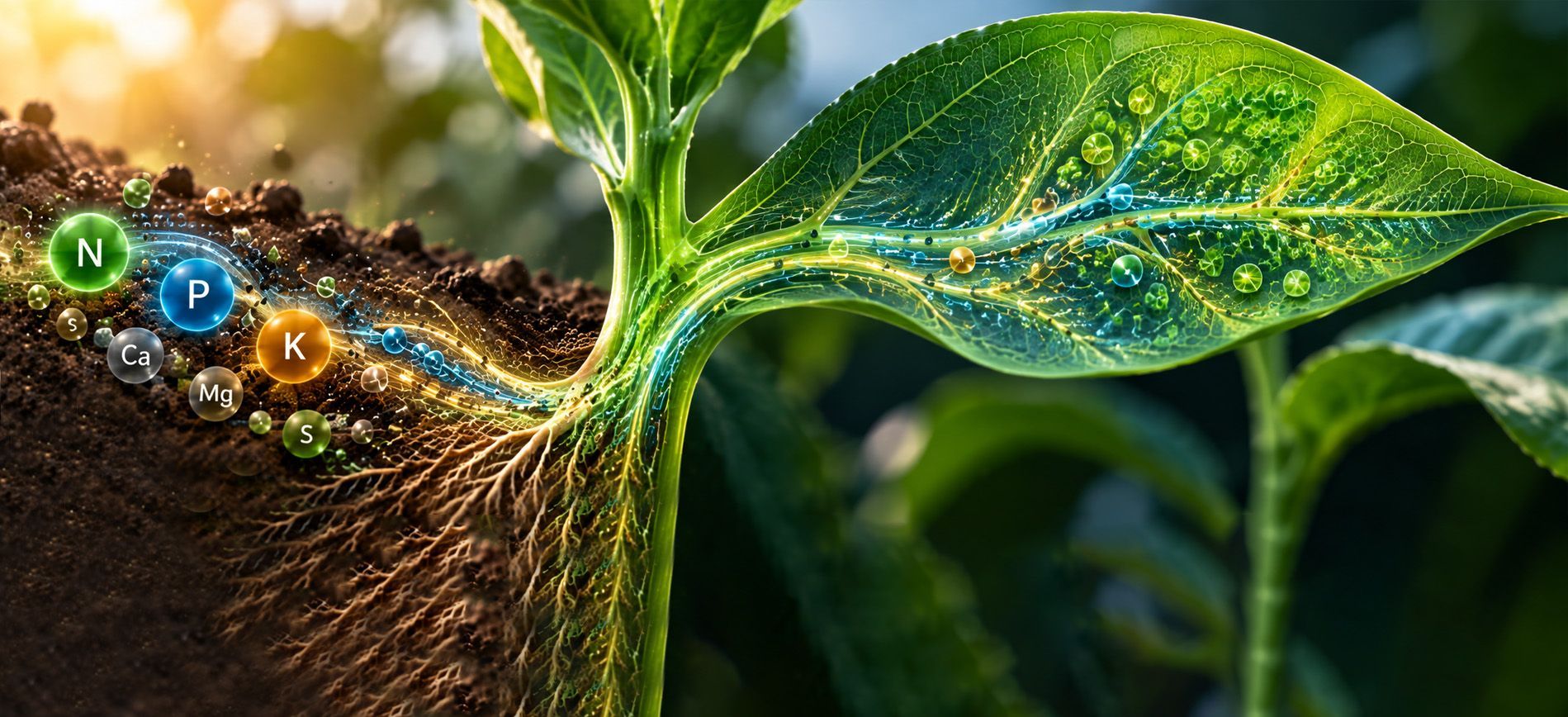
Iron plays catalytic and electron transfer roles in vital physiological processes:
- Chlorophyll Biosynthesis – Iron activates enzymes needed to form chlorophyll, giving leaves their green color.
- Respiration & Energy Production – Fe-containing proteins (cytochromes, ferredoxins) drive electron transport chains.
- Nitrogen Fixation – Essential for nodule formation and N₂-reducing enzymes in legumes.
- Enzyme Activation – Over 100 enzymes require iron to function, including those involved in DNA synthesis and hormone production.
Iron is immobile in plants, so deficiency symptoms typically appear on the youngest leaves first.
Iron Deficiency Symptoms by Crop
| Number | Deficiency Symptoms |
|---|---|
| Citrus | Yellow young leaves with green veins |
| Soybean | Interveinal chlorosis, reduced nodulation |
| Maize | Pale striping on the top leaves, stunting |
| Tomato | Yellow top leaves, weak stems |
| Grapes | Leaf yellowing, poor fruit color, and sugar |
| Ornamentals | Chlorosis and leaf drop |
Alkaline pH, overliming, and high phosphorus levels can aggravate iron unavailability.
Types of Iron Fertilizers and Their Applications
| Fertilizer Type | Iron (%) | Application | Notes |
|---|---|---|---|
| Fe-EDDHA (Chelate) | ~6% | Soil & fertigation | Highly effective in high-pH soils |
| Fe-DTPA (Chelate) | ~6% | Soil & foliar | Effective below pH 7.5 |
| Ferrous Sulfate | ~20% | Soil & foliar spray | Low cost; fast but short-lived |
| Iron Citrate | ~5–6% | Foliar/fertigation | Organic acid form; gentle on leaves |
| Nano-Iron Suspensions | Variable | Drip irrigation | Innovative form; rapid uptake, low precipitation |
Tip: Chelates are more stable and available than inorganic salts—especially in calcareous soils.
Iron Application Strategies for Maximum Efficiency
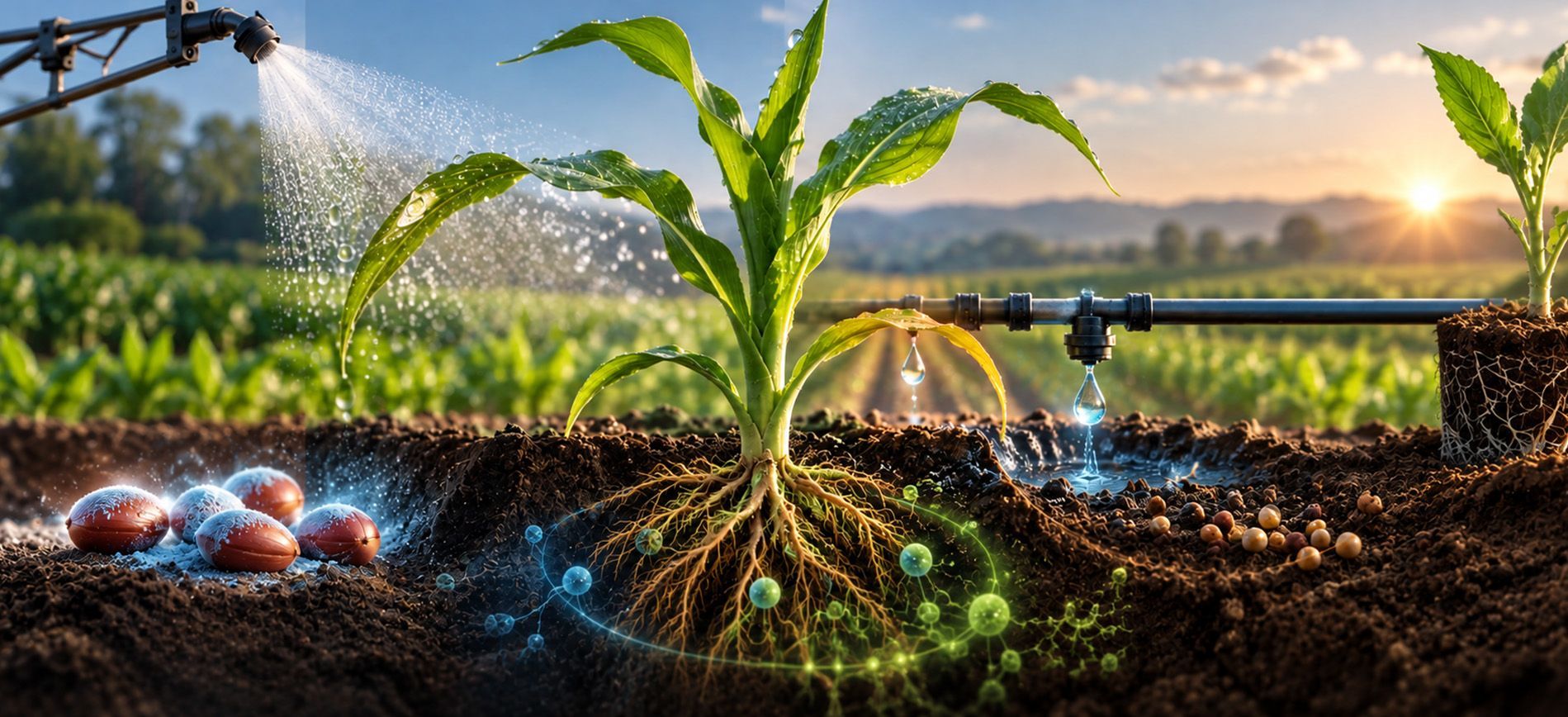
- Foliar Application
- Use a 0.5–1% Fe solution to quickly correct chlorosis.
- Best during the early vegetative stage or when symptoms appear
- Soil Application
- Use chelated iron (EDDHA or DTPA) in band or drip.
- Avoid surface broadcasting of ferrous sulfate—it oxidizes rapidly.
- Fertigation
- Use iron chelates in fertigation for high-value crops like tomatoes, citrus, and strawberries.
- Seed Treatment
- Coating seeds with iron improves germination and early root vigor, especially in rice and maize.
Iron Interactions with Other Nutrients
- High phosphorus can suppress Fe uptake—especially in over-fertilized soils.
- Manganese and zinc can compete with iron for uptake.
- Soil pH >7.5 reduces iron solubility—acidify locally or use EDDHA chelates.
Green Gubre Group’s Iron Fertilizer Range
Our portfolio includes iron sources tailored for various crops and soil types:
- GreenFe EDDHA – High-performance chelate for alkaline soils
- GreenFe DTPA – Cost-effective chelate for foliar and soil use
- GreenFer Sulfate – Fast-acting ferrous sulfate for quick greening
- GreenFe Foliar Max – Iron citrate blend with humic and amino acids for enhanced uptake.
- Custom Iron Programs – Based on tissue tests and soil pH conditions
All products include:
- COA & solubility data
- pH range compatibility guides
- Crop-specific application schedules
Conclusion: From Yellow to Green – Iron’s Role in Crop Revival
Iron is often the missing piece in crop recovery and early-season vigor. Whether it’s fruit trees suffering from interveinal chlorosis or cereals lagging in early biomass, iron fertilization can restore health and unlock hidden yield potential. At Green Gubre Group, we ensure iron delivery is efficient, pH-adjusted, and crop-appropriate—because greener leaves mean better photosynthesis, stronger roots, and bigger harvests.