Soil pH and Fertilizer Efficiency – The Hidden Link Shaping Crop Nutrition
Soil pH and Fertilizer Efficiency – The Hidden Link Shaping Crop Nutrition

Introduction: Why Soil pH Is the Gatekeeper of Fertilizer Efficiency
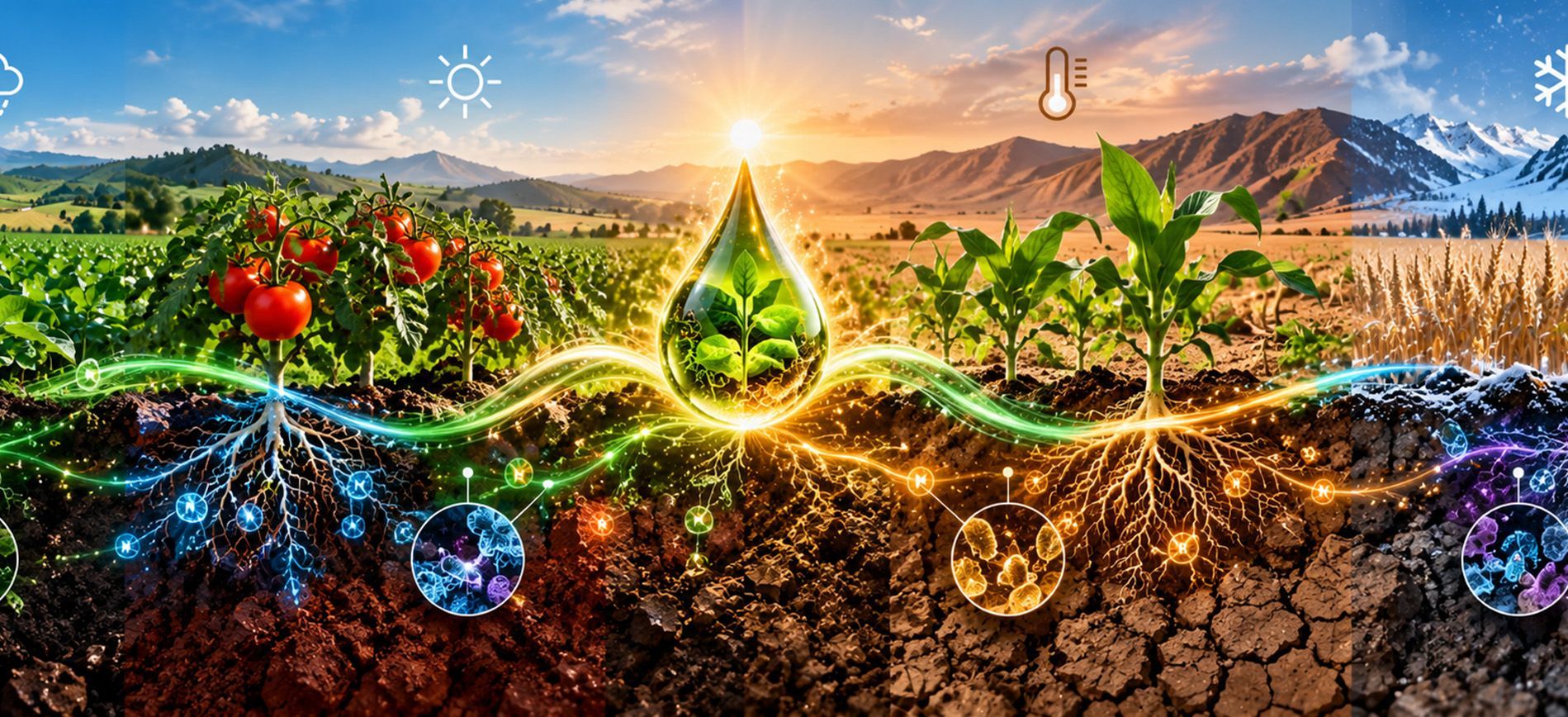
Most farmers focus on fertilizer type and dosage—but forget a critical factor that dictates how well those nutrients actually work: soil pH. Whether you apply nitrogen, phosphorus, potassium, or micronutrients, their availability to plants is heavily influenced by the acidity or alkalinity of your soil.
Soil pH acts like a control valve—regulating nutrient solubility, microbial activity, and chemical reactions in the root zone. A mismatched pH not only leads to wasted fertilizer but can also trigger toxicity or deficiencies, ultimately impacting crop yield and soil health.
In this blog, we’ll explore the science of soil pH, its impact on fertilizer efficiency, and practical strategies for adjusting pH to unlock your farm’s full productivity.
Understanding Soil pH – From Acidic to Alkaline.
Soil pH measures the hydrogen ion concentration in the soil and is expressed on a scale from 0 to 14:
- pH < 6.5 → Acidic
- pH 6.5–7.5 → Neutral (ideal range for most crops)
- pH > 7.5 → Alkaline
Different nutrients become more or less available depending on the pH level:
| pH Range | Nutrient Behavior |
|---|---|
| < 5.5 | Al, Mn toxicity; P, Mo, Ca, Mg deficiency |
| 6.0–7.0 | Optimal nutrient availability |
| > 7.5 | Fe, Zn, Mn, and Cu deficiencies are common |
How Soil pH Affects Fertilizer Performance
1. Phosphorus Lock-Up
In acidic soils, phosphorus forms insoluble compounds with iron and aluminum. In alkaline soils, it reacts with calcium. In both cases, plants can’t access it—no matter how much you apply.
2. Micronutrient Deficiencies
Alkaline soils reduce the availability of iron, zinc, manganese, and copper. This leads to common symptoms, such as interveinal chlorosis in young leaves.
3. Nitrogen Loss
Urea-based fertilizers can lose nitrogen as ammonia gas if applied to high-pH soils without incorporation.
4. Microbial Activity
Soil bacteria that drive nitrogen fixation, organic matter decomposition, and nutrient cycling prefer neutral to slightly acidic conditions (pH 6.5–7.0).
How to Adjust Soil pH for Fertilizer Efficiency
| Condition | Solution | Example Products |
|---|---|---|
| Acidic soil (pH < 6.0) | Apply agricultural lime | Calcium carbonate, dolomite |
| Strongly acidic soils | Use quicklime (fast effect) | Burnt lime or hydrated lime |
| Alkaline soil (pH > 7.5) | Apply elemental sulfur | Sulfur, sulfuric acid |
| Slightly alkaline soil | Use ammonium-based fertilizers | Ammonium sulfate, MAP |
Note: Always use soil test data to guide application rates and monitor pH changes over time.
Crops That Are pH-Sensitive
| Crop | Preferred pH Range |
|---|---|
| Potato | 5.0–6.0 |
| Corn | 5.8–7.0 |
| Soybean | 6.0–7.0 |
| Wheat | 6.0–7.5 |
| Citrus | 6.0–6.5 |
| Blueberry | 4.5–5.5 |
High-value crops are particularly sensitive and should never be exposed to prolonged unbalanced soil pH.
Green Gubre Group’s Solutions for pH-Optimized Fertilization
At Green Gubre Group, we ensure fertilizer efficiency begins with proper soil pH management. Our portfolio includes:
- Buffered Fertilizers: Water-soluble fertilizers balanced for acidic or alkaline soils.
- pH Testing Kits & Analysis Services: Fast and accurate recommendations.
- Lime and Sulfur Sources: Agricultural-grade inputs for pH correction.
- Customized NPK Blends: Tailored to crop needs and regional pH conditions.
We also provide crop-specific pH guides, technical sheets, and compatibility support for fertigation and foliar systems.
Conclusion: Mastering pH for Maximum Efficiency
Fertilizer performance doesn’t start with what you apply—it begins with where you use it. Managing soil pH ensures that nutrients remain available, active, and effective throughout the crop cycle. Without pH balance, even the best fertilizers underperform.
At
Green Gubre Group, we help you optimize every input by focusing on the root of the issue—soil chemistry, because smart farming begins with smart soil.